


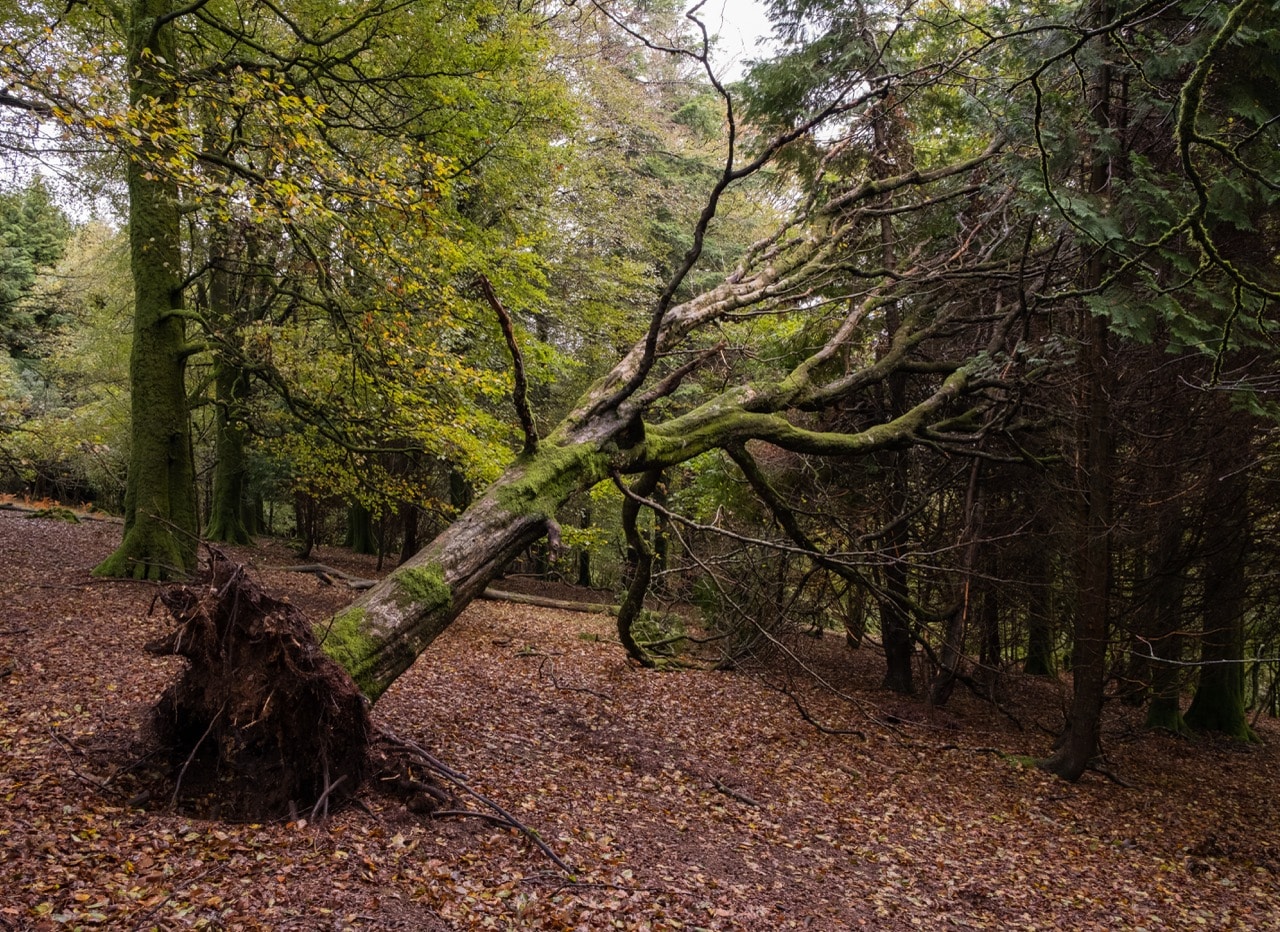
Why Dead Trees Should Never Be Ignored
Dead trees may look harmless at first, especially if they are still standing upright. However, once a tree dies, it immediately begins to weaken. Without healthy circulation and growth, the structure of the tree slowly breaks down, making it increasingly unstable. Over time, dead trees become unpredictable hazards that can fail without warning.
Many homeowners underestimate how quickly a dead tree can turn dangerous. In reality, decay often starts internally, long before visible signs appear on the outside.
What Happens to a Tree After It Dies
When a tree dies, it stops producing new wood and can no longer repair damage. Moisture enters the trunk and branches, allowing decay to spread. Insects, fungi, and rot begin breaking down the internal structure, reducing the tree’s strength from the inside out.
As decay progresses, the tree becomes brittle. Branches lose flexibility and snap easily, and the trunk becomes less capable of supporting its own weight. This process accelerates during extreme weather, temperature changes, and seasonal storms.
Dead Branches Can Fall Without Warning
One of the most immediate dangers of a dead tree is falling limbs. Dead branches do not bend the way healthy branches do. Instead, they crack and break suddenly, even during calm conditions.
These falling limbs can cause serious injury, damage vehicles, or break windows and roofs. Dead branches hanging over walkways, driveways, or outdoor living areas pose especially high risk.
Dead Trees Are More Likely to Collapse
As internal decay spreads, the trunk and root system weaken. A dead tree may appear stable until a sudden shift causes it to fail. Wind, snow, ice, or even heavy rain can be enough to bring it down.
When a dead tree falls, it often does so unpredictably. Without strong fibers to guide the fall, the tree may split, twist, or break apart, increasing the chance of property damage.
Root Failure Increases the Risk
Roots play a critical role in keeping trees upright. When a tree dies, its roots begin to deteriorate as well. As roots decay, they lose their ability to anchor the tree securely in the soil.
This makes dead trees especially dangerous near homes, fences, power lines, and neighboring properties. A weakened root system can cause the entire tree to fall with little notice.
Weather Makes Dead Trees Even More Dangerous
Dead trees become significantly more hazardous during seasonal weather changes. Cold temperatures make dead wood brittle, while snow and ice add weight to already weakened branches.
Strong winds can push dead trees past their breaking point. After storms, dead trees are often responsible for unexpected damage because they lack the strength to withstand stress.
Why Dead Trees Should Be Professionally Removed
Removing a dead tree is not a safe do it yourself project. Dead trees behave differently than living ones and are more likely to split or collapse during removal. Professionals use specialized equipment and techniques to safely dismantle dead trees in controlled sections.
Professional removal reduces risk to people, property, and surrounding structures while ensuring the job is completed safely and efficiently.
Signs a Tree May Be Dead or Dying
Homeowners should watch for these warning signs:
• No leaf growth during the growing season
• Brittle branches that snap easily
• Peeling or missing bark
• Fungal growth on the trunk or at the base
• Increased insect activity
If you notice these signs, it is important to schedule a professional evaluation.
Protecting Your Property From Dead Tree Hazards
Dead trees do not improve with time. The longer they remain standing, the greater the risk becomes. Early removal helps prevent accidents, reduces liability, and protects your home and surrounding property.
Addressing dead trees promptly is one of the most effective ways to maintain a safe and secure landscape. If you suspect a tree on your property is dead or declining, a professional assessment can help determine the safest next steps.