


Winter in Southeast Michigan brings snow, ice, wind, and freezing temperatures that can take a serious toll on trees. While many property owners assume tree care can wait until spring, winter is often when the most costly mistakes happen. Understanding the most common winter tree mistakes can help homeowners and property managers protect their trees, properties, and budgets during the coldest months of the year.
Ignoring Trees Until a Problem Occurs
One of the biggest winter mistakes we see is waiting until a tree fails to take action. Many people assume trees are dormant and safe during winter, but snow and ice add significant weight to branches. Wind combined with frozen ground can also destabilize root systems.
When homeowners wait for visible damage, the situation often turns into an emergency. Proactive winter inspections help identify weak limbs, cracks, and structural issues before they cause damage to roofs, vehicles, or walkways.
Assuming Snow Covered Trees Are Healthy
Snow can make a yard look calm and undisturbed, but it often hides serious problems. Broken branches may be buried, trunk cracks can be harder to see, and leaning trees are sometimes overlooked against snow covered ground.
This false sense of security leads many property owners to delay inspections. Winter is actually one of the best times to assess tree structure because the lack of leaves makes defects easier to spot when you know what to look for.
Skipping Winter Pruning and Trimming
Another common mistake is believing trimming and pruning should only happen in spring or summer. In reality, winter is an ideal time for many types of pruning. Trees are dormant, which reduces stress and helps direct healthy growth once warmer weather returns.
Skipping winter pruning can leave weak or overextended limbs vulnerable to snow and ice buildup. These limbs often fail during storms, creating safety hazards that could have been prevented with timely maintenance.
Underestimating the Impact of Ice and Snow Weight
Snow and ice may look light and fluffy, but they add significant weight to branches. Even healthy trees can suffer damage if they have poor structure or previous injuries. Ice storms are especially damaging because ice coats branches evenly, increasing strain across the entire canopy.
Many winter emergencies happen when accumulated weight causes branches to snap without warning. Regular inspections and selective pruning help reduce this risk.
Overlooking Root and Soil Issues
Winter tree problems do not stop above ground. Frozen or saturated soil can weaken root systems, especially during periods of thaw followed by refreezing. Wind can then push trees that no longer have stable anchoring.
Leaning trees after winter storms often indicate root movement. Ignoring this warning sign can lead to complete tree failure later in the season.
Attempting DIY Tree Work in Winter
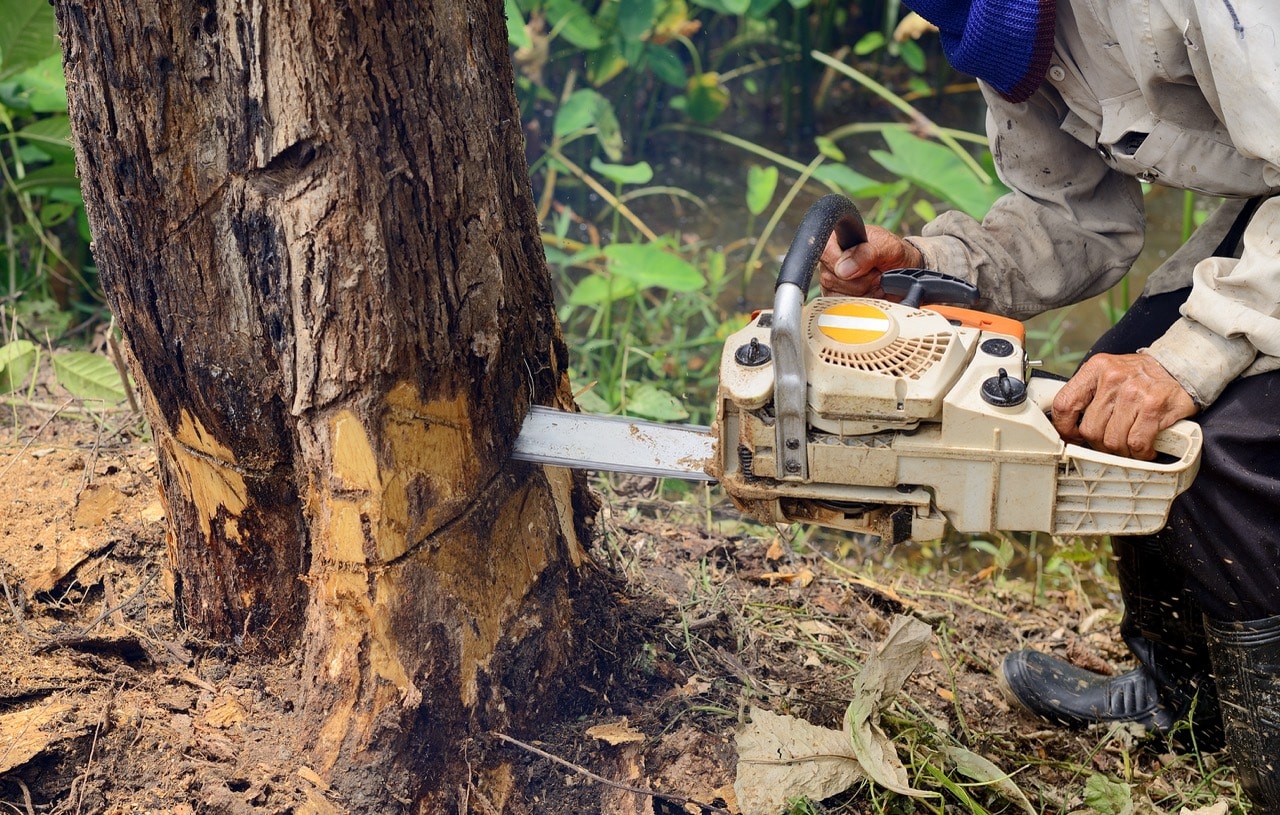
Winter conditions make tree work more dangerous. Ice, snow, reduced traction, and unpredictable branch movement increase the risk of injury. Many homeowners attempt to remove limbs or small trees on their own without realizing how winter conditions change how wood reacts under pressure.
Professional crews have the training and equipment needed to work safely in winter conditions. Attempting do it yourself tree work during this season often leads to accidents or additional property damage.
Waiting Until Spring Increases Costs
Delaying tree care until spring often means higher demand, tighter schedules, and increased risk of emergency service. Winter offers an opportunity to address issues proactively, often with less impact on lawns due to frozen ground.
By avoiding these common winter mistakes, property owners in Southeast Michigan can protect their trees, reduce risks, and save money in the long run.