


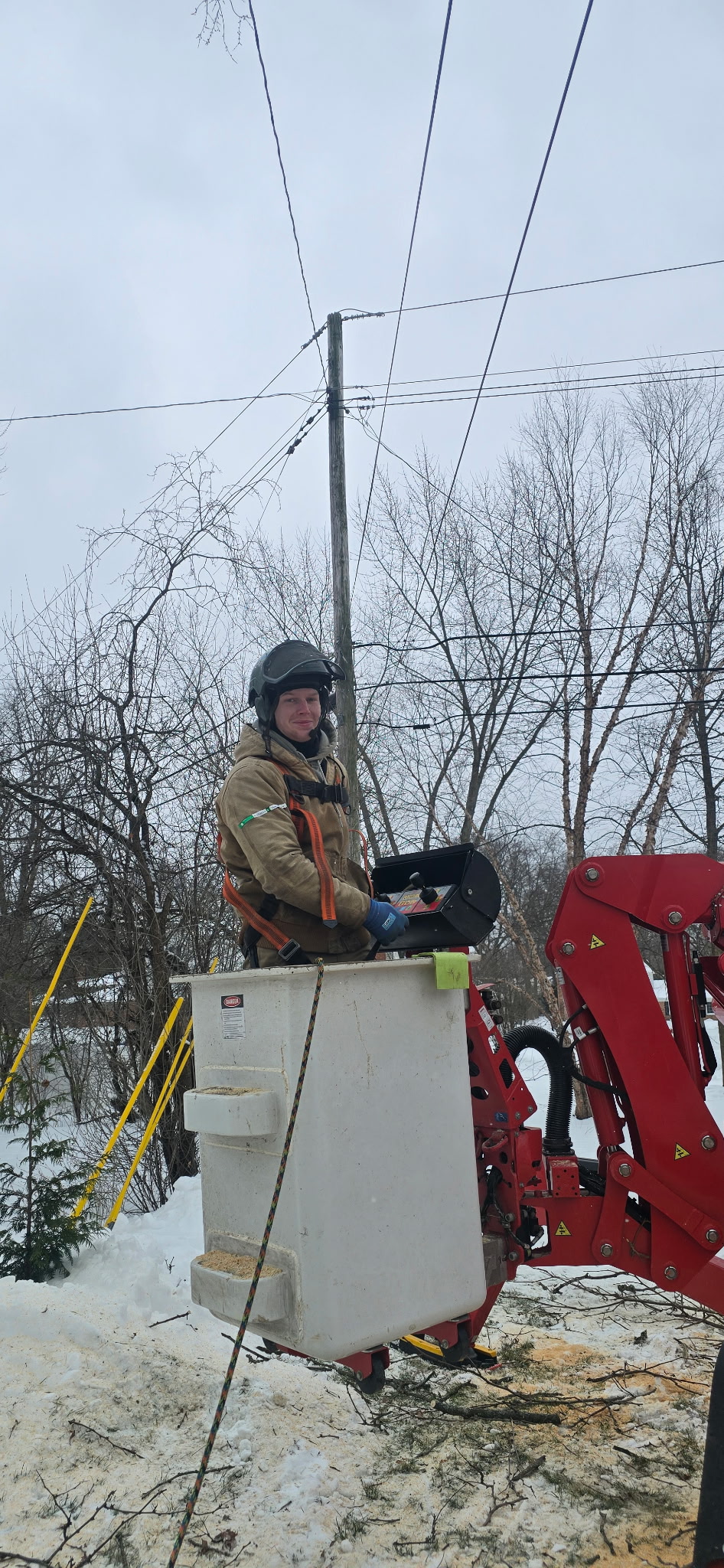
Why Late Winter Tree Care Matters
Late winter is a critical period for tree care. While the coldest days may be passing, trees are still under stress from freezing temperatures, snow, and ice. Many problems that develop during winter are not immediately obvious, but addressing them before spring growth begins can make a significant difference in tree health and safety.
Late winter also offers clear visibility. With trees dormant and leafless, structural issues are easier to spot and assess accurately.
Inspect Trees for Hidden Winter Damage
One of the most important late winter tasks is a thorough inspection. Look closely for cracked bark, broken limbs, and branches hanging lower than normal. These are common signs of stress caused by snow load and freeze and thaw cycles.
Pay attention to trees that appear to be leaning or shifting. Changes in soil stability during winter can weaken root systems, increasing the risk of failure later in the season.
Remove Deadwood and Weak Branches
Dead or weakened branches become more brittle in cold conditions. Removing this deadwood before spring storms arrive reduces the chance of sudden breakage. Late winter is an ideal time for this type of pruning because trees are dormant and cuts are less stressful.
Targeted deadwood removal also improves air circulation and prepares trees for healthier growth when temperatures rise.
Address Snow and Ice Damage Early
Snow and ice can add significant weight to branches, causing fractures that are not always visible right away. Even after snow melts, damage may remain. Late winter is the right time to address these issues before branches fail unexpectedly.
Professional trimming can help rebalance the canopy and reduce excess weight on stressed limbs.
Watch for Signs of Root Stress
Root problems often go unnoticed in winter. Look for exposed roots, soil heaving, or cracks around the base of the tree. These signs may indicate that the tree has lost some stability during freeze and thaw cycles.
Trees with compromised root systems should be evaluated by a professional to determine whether corrective action is needed.
Prepare Trees for Spring Growth
Late winter tree care sets the stage for spring. Proper pruning encourages stronger branching and more balanced growth. Removing problematic limbs now allows trees to direct energy toward healthy development rather than supporting damaged wood.
This preparation also helps reduce the spread of pests and diseases that become active in warmer weather.
Avoid Common Late Winter Tree Care Mistakes
Homeowners should avoid shaking branches to remove snow or ice, as this can cause sudden breakage. Using sharp tools without proper technique can also damage trees and increase stress.
Tree work near structures or power lines should always be left to professionals due to safety risks.
When to Schedule a Professional Tree Inspection
If you notice cracked bark, leaning trees, or broken limbs, late winter is an excellent time to schedule a professional inspection. A trained tree service can identify issues that may not be visible from the ground and recommend appropriate solutions.
Early action helps avoid emergency situations once spring storms arrive.
Protect Your Property Before the Season Changes
Late winter tree care is about prevention and preparation. Addressing issues now helps ensure trees are safer, healthier, and ready for the growing season ahead.
Taking a proactive approach during late winter can save time, reduce costs, and protect your property as conditions change.