


Why DIY Tree Removal Is More Dangerous Than It Looks
Tree removal often looks simple from the outside. A chainsaw, a plan, and some determination can make it seem like a manageable weekend project. In reality, DIY tree removal is one of the most dangerous tasks a homeowner can attempt. Without proper training, equipment, and experience, small mistakes can lead to serious injuries, property damage, or worse.
Professional tree services exist for a reason. Trees are heavy, unpredictable, and affected by forces that are not always visible from the ground.
Trees Rarely Fall the Way You Expect
One of the biggest dangers of DIY tree removal is misjudging how a tree will fall. Weight distribution, wind, decay, and limb structure all influence the direction of a fall. Even experienced professionals plan every cut carefully because trees do not always behave as expected.
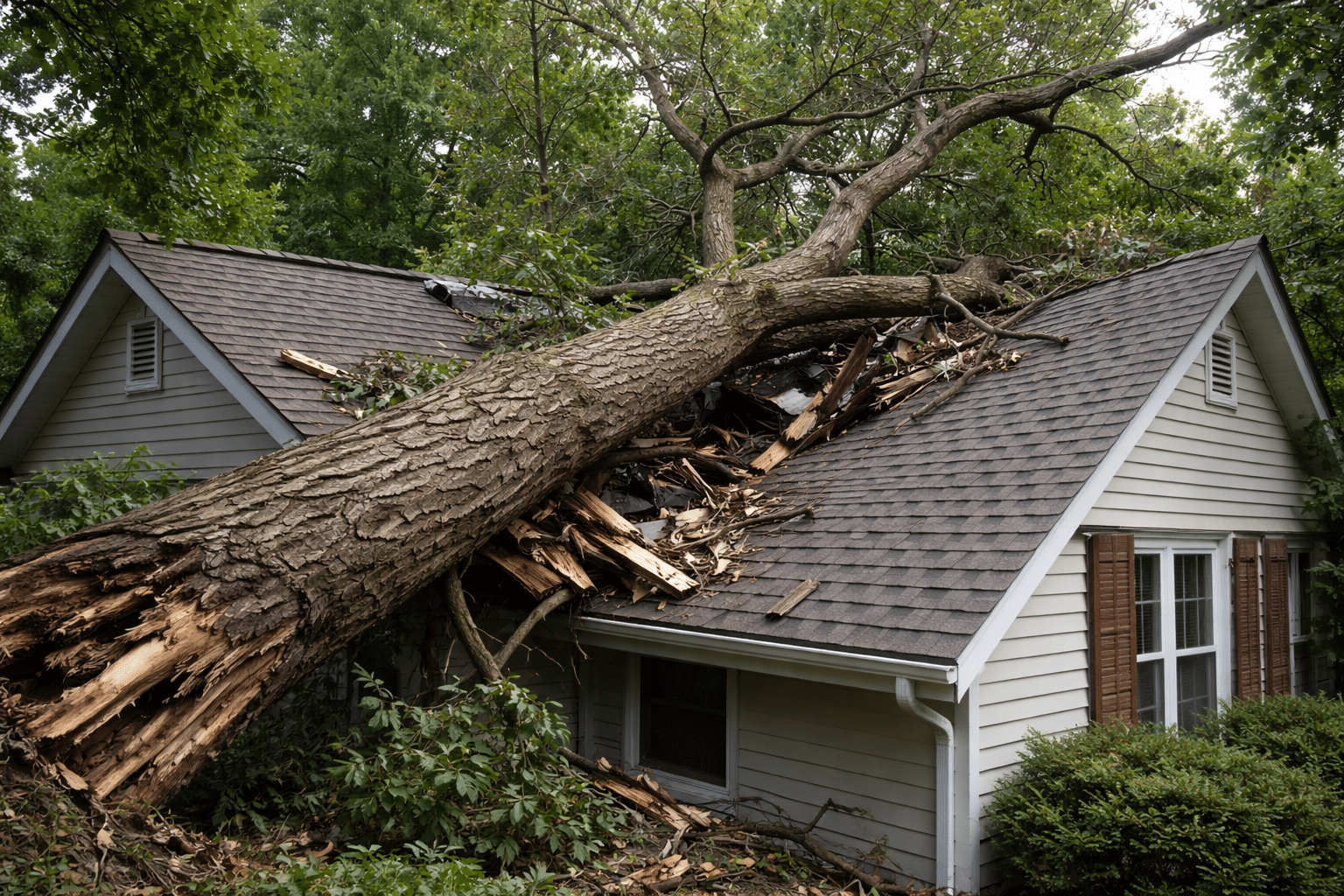
A slight miscalculation can cause a tree to fall toward a home, vehicle, fence, or power line. Once a tree starts to go, there is no stopping it.
Hidden Decay Makes Trees Unpredictable
Many trees that appear healthy on the outside have internal decay. Rot inside the trunk or root system weakens structural integrity and changes how the tree reacts to cutting. A decayed tree can split, twist, or collapse suddenly, putting anyone nearby at serious risk.
Homeowners rarely have the tools or knowledge to identify internal decay before cutting begins. This makes DIY removal especially dangerous.
Chainsaw Injuries Are More Common Than You Think
Chainsaws are powerful tools that require training and proper safety gear. Kickback, loss of control, and improper cutting angles are common causes of injury. According to safety studies, chainsaw accidents send thousands of people to emergency rooms every year.
Without protective equipment and experience, even a brief lapse in focus can result in severe injury.
Working at Heights Increases Risk Dramatically
Many DIY tree removal attempts involve ladders or climbing into the tree. This adds another layer of danger. Cutting while elevated reduces balance, limits escape routes, and increases the chance of falling.
Professional crews use specialized climbing gear, rigging systems, and lift equipment to work safely at height. Ladders and ropes from the hardware store are not designed for this type of work.
Falling Limbs Can Cause Serious Injury
Even small branches can weigh hundreds of pounds. When limbs are cut, they can swing, drop, or bounce unexpectedly. Falling branches are one of the leading causes of injury during tree removal.
Professionals control limb removal using ropes and rigging to guide sections safely to the ground. DIY attempts often rely on gravity and luck.
Damage to Property Can Be Costly
Homes, garages, roofs, driveways, and landscaping are often damaged during DIY removals. Repairs can quickly exceed the cost of hiring a professional tree service in the first place.
Insurance may not cover damage caused by unlicensed or improper work, leaving homeowners fully responsible for repairs.
Why Professional Tree Removal Is the Safer Choice
Professional tree services follow strict safety procedures. Crews assess the tree, plan each cut, use proper equipment, and control how the tree is dismantled. This approach protects people, property, and surrounding structures.
Experienced professionals also carry insurance and training that homeowners do not have access to.
Choosing Safety Over Risk
Tree removal is not just about cutting wood. It involves physics, planning, and experience. The risks of DIY tree removal far outweigh any perceived savings.
If a tree needs to come down, choosing a professional ensures the job is handled safely, efficiently, and with minimal risk to your home and family.