


When to Remove a Tree in Oakland County
Many homeowners want to preserve the trees on their property for as long as possible. That makes sense. Healthy trees provide shade, beauty, and value. Still, there are times when tree removal is the safest and smartest choice.
Knowing when to remove a tree in Oakland County can help protect your home, reduce liability, and prevent emergency situations.
Remove a Tree if It Is Dead or Dying
One of the clearest signs that removal may be needed is when a tree is dead or in serious decline. A dead tree becomes weaker over time and can eventually fall or drop large limbs.
Common signs include:
- No leaves during the growing season
- Large sections of deadwood
- Bark falling away
- Hollow or decayed areas
- Heavy branch dieback
A dead tree near a driveway, home, garage, or sidewalk should be addressed quickly.
For safe removal options, visit our Tree Removal page.
Remove a Tree After Severe Storm Damage
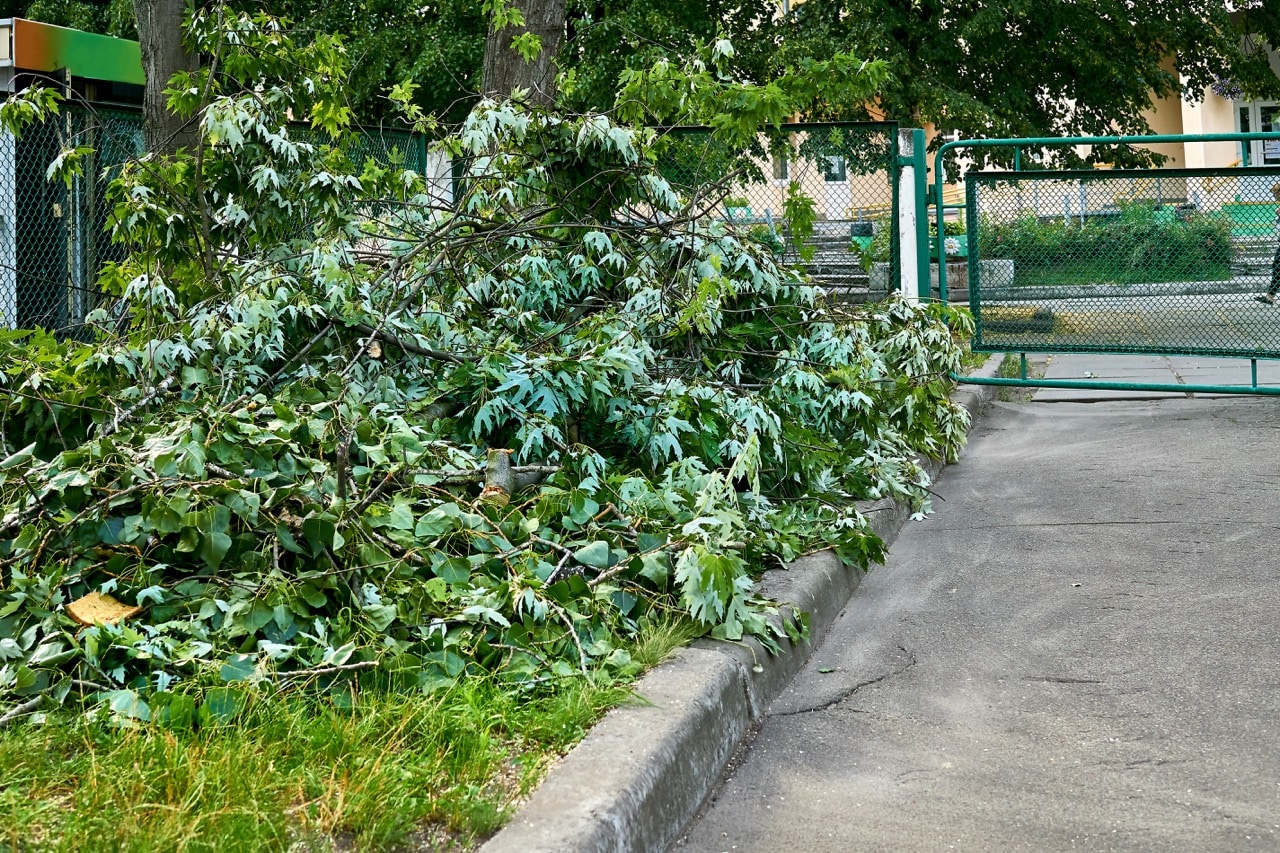
Storm damage is another common reason homeowners need tree removal in Oakland County. A tree may survive a storm but still be too damaged to remain safe. Split trunks, torn limbs, and uprooted roots can all increase the chance of failure later.
You should schedule a professional evaluation if a tree has:
- Major broken limbs
- A cracked main trunk
- Sudden lean after a storm
- Root lifting at the base
- Large hanging branches
If the damage is serious, removal may be the safest option.
You can also visit our Storm Damage Cleanup page for related service information.
Remove a Tree if It Is Leaning or Structurally Unsafe
A tree that has leaned for years may not be a problem. However, a tree that suddenly starts leaning is different. This can signal root failure, unstable soil, or storm-related damage.
Other structural warning signs include:
- Deep trunk cracks
- Split branch unions
- Large cavities
- Dead or missing bark
- Heavy imbalance in the canopy
When a tree is structurally unsound, the risk is not just to the tree itself. It can also threaten nearby homes, fences, patios, and neighboring property.
Our Tree Inspections and Assessments page can help you determine whether removal is necessary.
Remove a Tree if Disease Has Severely Weakened It
Some diseases can be managed, while others can cause major decline. If disease has spread throughout the canopy, damaged the trunk, or weakened key limbs, removal may be the best long-term solution.
Watch for symptoms such as:
- Early leaf drop
- Repeated dieback
- Bark cankers
- Oozing wounds
- Large dead sections
- Rapid decline in overall health
If disease is caught early, trimming or monitoring may help. If it has already caused structural problems, removal may be the better option.
You may also want to read our blog on Tree Diseases Common in Michigan Landscapes.
Remove a Tree Before It Becomes an Emergency
One of the most important parts of tree care is timing. Waiting too long can turn a manageable removal into an emergency job. Trees that are dead, storm-damaged, leaning, or structurally compromised often become more dangerous during high wind or severe weather.
If you are wondering when to remove a tree in Oakland County, the answer is usually simple: remove it before it becomes a bigger threat to your property.
Tree Service of Troy can help you evaluate the condition of your tree and recommend the safest next step. Visit our Contact Us page to request an estimate or inspection.