


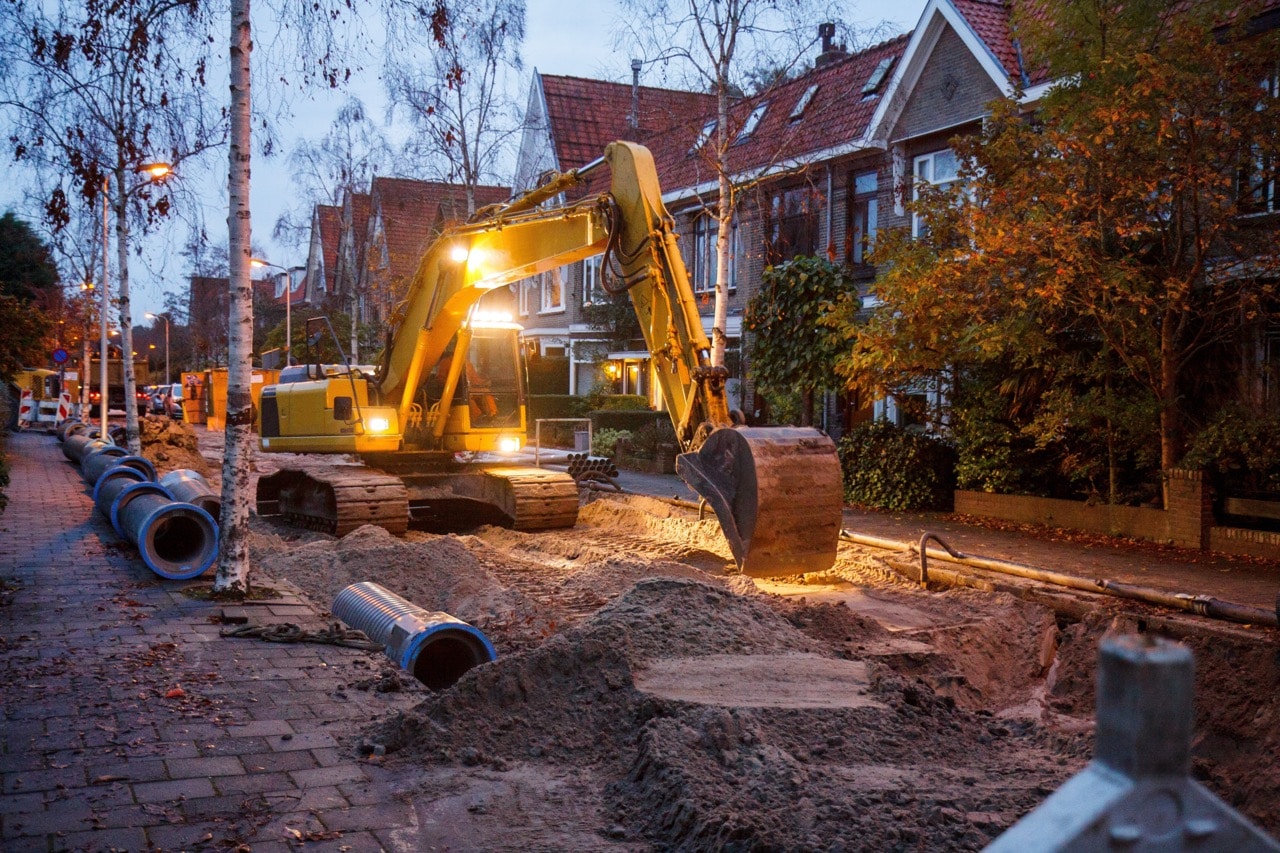
Construction projects can improve your property, but they can also create serious risks for nearby trees. Heavy equipment, soil compaction, root damage, and debris can weaken or kill trees long after the work is complete. If you are planning a renovation, driveway expansion, patio installation, or new construction project, protecting nearby trees should be part of the process.
Proper tree protection helps preserve curb appeal, maintain shade, and avoid costly removals in the future.
Why Construction Is Hard on Trees
Many homeowners assume trees are safe as long as the trunk is untouched. In reality, most tree damage happens underground. Tree roots often spread much farther than expected, and construction activity can easily disturb them.
Common construction-related tree damage includes:
- Soil compaction from heavy equipment
- Root cutting during digging or grading
- Damage from stored materials near roots
- Trunk injuries from machinery
- Changes in drainage around the tree
Even healthy trees can decline months or years after construction if roots become stressed or damaged.
Protect the Root Zone
One of the most important steps is protecting the critical root zone. This area extends outward from the trunk and contains roots responsible for water and nutrient absorption.
Installing temporary fencing around the root zone helps prevent:
- Vehicle traffic
- Equipment storage
- Material dumping
- Excessive foot traffic
Avoid digging trenches close to mature trees whenever possible. If digging is necessary, consult a professional tree service to minimize root damage.
Avoid Soil Compaction
Compacted soil reduces oxygen and water movement around tree roots. This can slowly weaken trees and make them more vulnerable to disease and storm damage.
To reduce compaction:
- Limit heavy equipment near trees
- Use plywood or mulch paths for temporary access
- Avoid parking machinery under tree canopies
- Keep construction materials away from root systems
Healthy soil is essential for healthy trees.
Protect the Trunk and Branches
Tree trunks are vulnerable during active construction. Even minor bark damage can expose trees to insects, disease, and decay.
Protect trunks by:
- Installing protective barriers around the tree
- Keeping tools and machinery at a safe distance
- Pruning vulnerable branches before work begins
Professional trimming may also help reduce risks during construction projects.
Water Trees During Construction
Construction can place trees under stress, especially during dry conditions. Trees may need additional watering during and after the project to stay healthy.
Watch for signs of stress such as:
- Wilting leaves
- Sparse canopy growth
- Early leaf drop
- Branch dieback
Routine monitoring helps catch problems before they become severe.
When To Call a Tree Professional
If your project involves excavation, grading, or major landscaping changes near trees, professional guidance can help prevent permanent damage.
A tree care expert can:
- Assess tree health before construction
- Identify high-risk root zones
- Recommend protective measures
- Prune hazardous branches
- Monitor trees after construction ends
Protecting trees early is usually far less expensive than removing damaged trees later.
Preserve Your Landscape Investment
Mature trees add beauty, shade, and value to your property. Taking the right precautions during construction can help preserve your landscape for years to come.
If you are planning a project and want help protecting nearby trees, Tree Service of Troy can help evaluate your property and recommend safe tree care solutions.
Learn more about our tree maintenance and removal services by visiting treeserviceoftroy.com.