


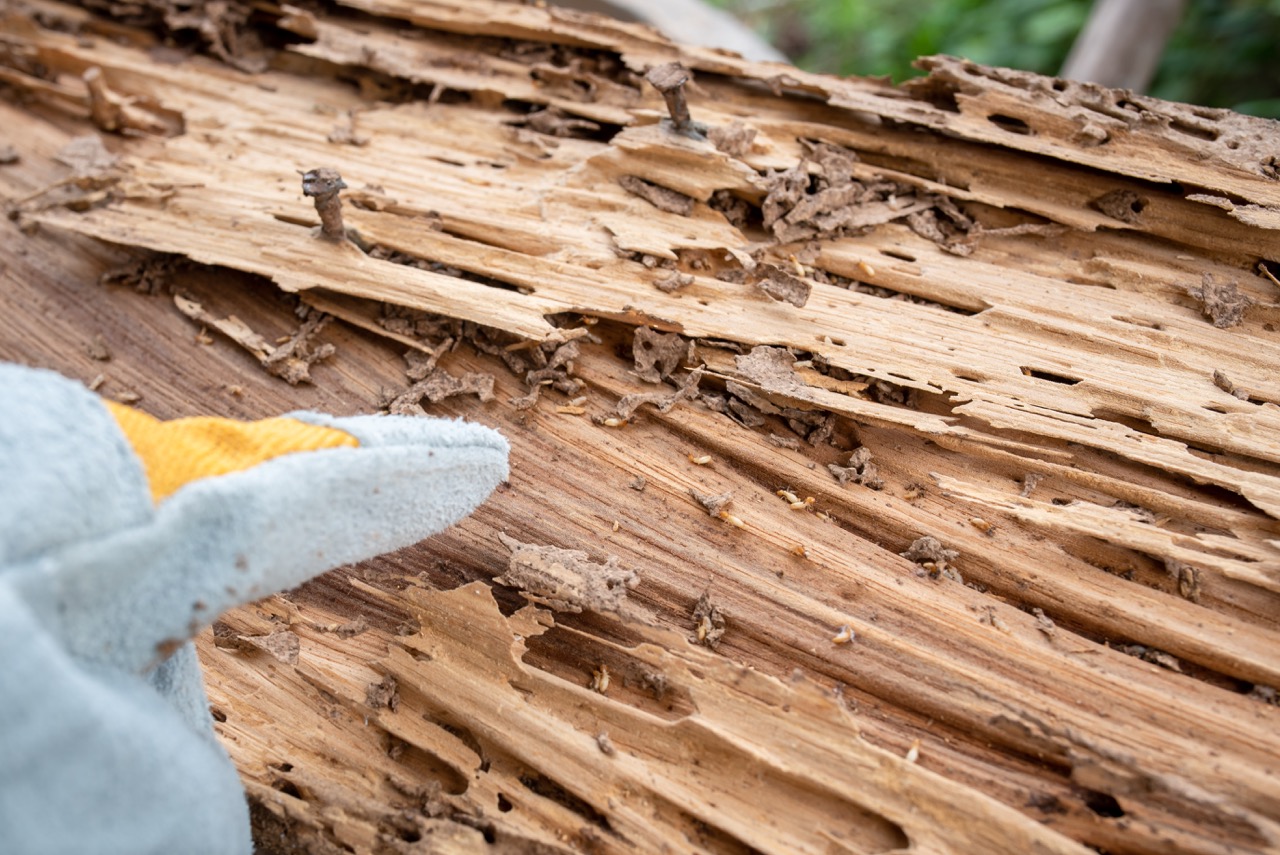
Trees can look healthy from a distance while serious problems develop inside the trunk. Internal decay weakens the wood that supports the tree, increasing the risk of broken limbs, splitting trunks, or complete tree failure.
Because many warning signs begin beneath the bark, homeowners may not recognize a problem until the damage becomes advanced. Knowing what to look for can help you schedule professional tree care before a weakened tree threatens your home, driveway, vehicles, or outdoor spaces.
What Causes Internal Tree Decay?
Internal decay often begins when fungi or moisture enter the tree through an opening. Storm damage, improper cuts, broken limbs, construction injuries, and lawn equipment damage can all create wounds in the bark.
Once the tree’s protective outer layer has been compromised, decay may slowly spread through the trunk or major branches. Some trees can remain standing for years while the amount of solid supporting wood continues to decrease.
Older trees and trees exposed to repeated stress may face a greater risk, but decay can affect trees of many ages and species.
Hollow or Soft Areas in the Trunk
A hollow section does not always mean a tree must be removed, but it does deserve professional attention. Large cavities can indicate that the interior wood has deteriorated, leaving less healthy wood available to support the tree.
You may notice a visible opening, soft wood, loose material inside the cavity, or insects entering the trunk. Never reach into a cavity or attempt to remove material yourself. The opening may contain sharp wood, pests, or unstable sections.
A trained professional can evaluate the size, location, and structural impact of the damaged area.
Mushrooms or Fungal Growth
Mushrooms growing near the trunk, roots, or base of the tree can be a sign of decaying wood below the surface. Shelf-like fungal growth attached directly to the trunk may also indicate internal deterioration.
Fungal growth should not be ignored, particularly when it appears alongside dead branches, cracks, leaning, or thinning foliage. Removing the visible mushrooms will not correct the underlying problem.
Cracks, Splits, and Missing Bark
Deep cracks may reveal that the trunk is under stress or beginning to separate. Vertical splits, openings between major stems, and cracks that extend into the wood can reduce structural strength.
Missing bark is another possible warning sign. When large sections of bark fall away, the exposed wood becomes vulnerable to moisture, insects, and disease.
Homeowners should also watch for seams that appear to widen over time or areas where the bark looks sunken, loose, or unusually dark.
Dead Branches and Thinning Growth
Internal trunk problems can interfere with the movement of water and nutrients through the tree. As a result, the canopy may begin to thin or individual branches may die.
Look for branches that fail to produce leaves, sections with noticeably smaller leaves, or one side of the canopy declining faster than the other.
Professional tree trimming and pruning may help address isolated dead limbs. However, widespread decline combined with trunk damage may require a more detailed assessment.
Changes at the Base of the Tree
The lower trunk and root flare provide important support. Soil movement, cracks near the base, lifting roots, or decay where the trunk meets the ground can indicate instability.
If the tree begins leaning more than usual or the soil appears raised on one side, keep people and vehicles away from the area and request professional help promptly.
Do Not Wait for the Tree to Fail
Internal decay does not always have an obvious appearance, and the safest solution depends on the tree’s condition, size, location, and remaining structural strength.
If a tree is too damaged to remain safely, professional tree removal in Troy can help reduce the risk of property damage. Tree Service of Troy can evaluate problem trees and recommend an appropriate next step.
Contact Tree Service of Troy to request an assessment before hidden decay becomes an urgent problem.