


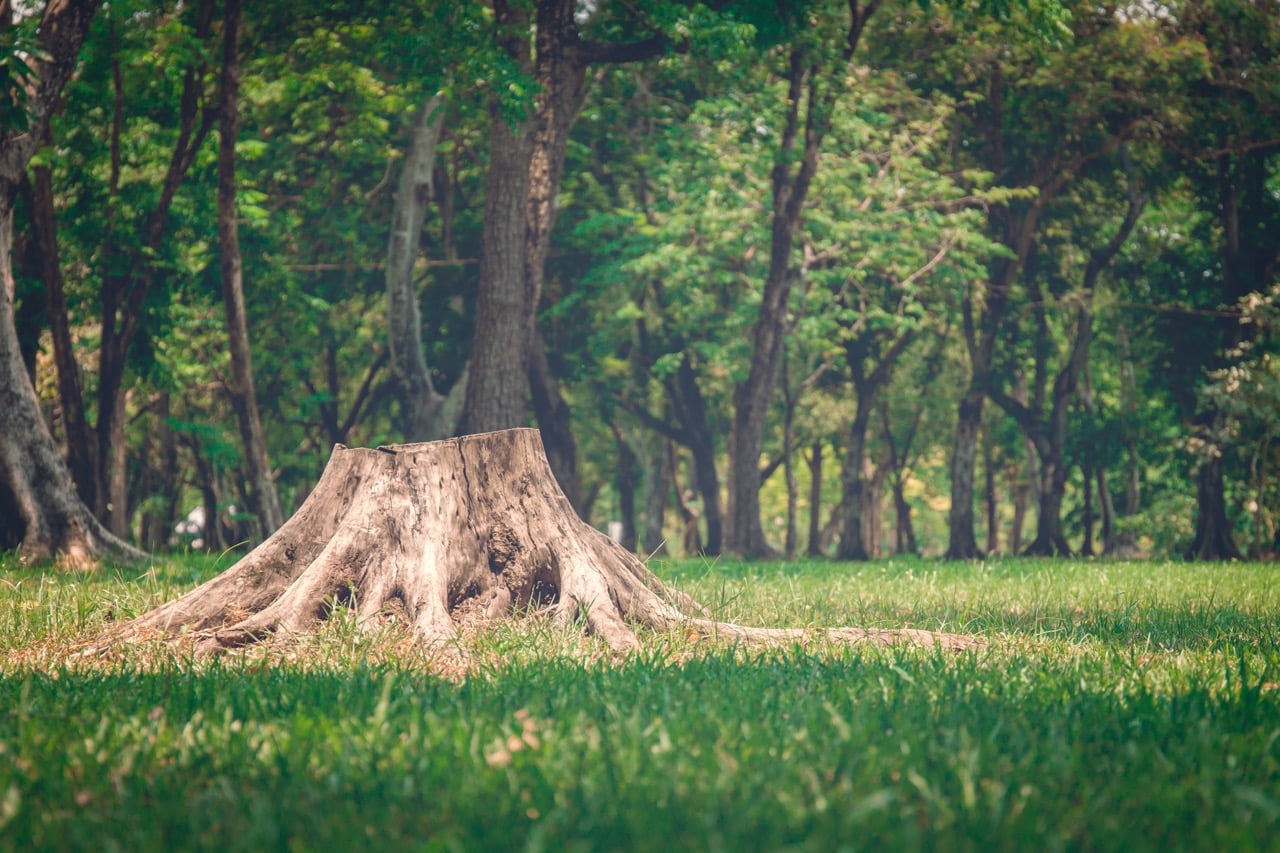
After a tree is removed, the remaining stump may seem harmless. Some homeowners leave it in place for years, while others want it gone immediately so they can reclaim the area.
There is no single deadline for removing every stump, but certain problems make stump grinding a smart next step. Removing an unwanted stump can improve safety, simplify yard maintenance, and make the property easier to landscape.
Remove a Stump When It Creates a Trip Hazard
Low stumps can be difficult to see, especially when grass, weeds, or groundcover grow around them. They may create a tripping risk for family members, visitors, and anyone working in the yard.
Exposed roots around the stump can add more uneven areas. If the stump is near a walkway, play area, driveway, or frequently used section of the lawn, removal should be considered sooner rather than later.
Consider Removal When Mowing Becomes Difficult
Mowing around a stump takes extra time and can result in missed grass, weeds, or an untidy appearance. Lawnmower blades may also be damaged by hidden roots or pieces of wood.
Stump grinding reduces the stump below ground level, helping create a smoother area that is easier to mow and maintain.
The site may later be filled, seeded, or incorporated into a new landscaping plan, depending on the condition of the remaining soil and roots.
Remove Decaying Stumps That Attract Pests
As wood breaks down, it may attract insects and other organisms that feed on decaying material. Ants, beetles, and other pests may use old wood for shelter.
A stump does not guarantee that pests will spread to healthy trees or a home, but decaying wood near structures can still be undesirable. Grinding the stump removes most of the visible woody material and helps clean up the area.
Act When New Sprouts Keep Appearing
Some tree species continue producing shoots from the stump or roots after the main tree has been removed. These sprouts may return repeatedly, even after being cut back.
Ongoing growth can make the stump look messy and compete with nearby plants. Professional stump grinding can reduce the stump and make repeated sprout control more manageable.
Remove Stumps Before Landscaping or Construction
A stump may interfere with plans for a garden bed, patio, fence, walkway, play area, or lawn renovation. It can also make grading and drainage improvements more difficult.
Removing the stump early gives contractors and landscapers a clearer area to work with. Keep in mind that grinding leaves wood chips and underground roots behind, so additional soil preparation may be needed before building or planting.
Consider the Stump’s Location
A stump in an unused corner of a large property may be less urgent than one beside a driveway or in the center of a small yard.
Ask whether the stump affects visibility, access, mowing, drainage, safety, or future plans. If it regularly gets in the way, removal can make the yard more functional.
Stump Grinding Versus Full Stump Removal
Full stump removal involves pulling out the stump and a significant portion of the root system. This can require extensive digging and may leave a large hole.
Stump grinding uses specialized equipment to reduce the stump below the surrounding ground level. It is often faster and less disruptive to the yard.
Tree Service of Troy provides professional stump grinding in Troy, Michigan to help eliminate unwanted stumps and reclaim usable space.
Clear the Stump and Reclaim Your Yard
You should consider stump removal when the stump creates a hazard, attracts pests, produces repeated sprouts, interferes with mowing, or blocks future landscaping plans.
Professional equipment is especially important for large, hard, or difficult-to-access stumps. Attempting to grind or remove a stump without the right training can damage nearby property or create safety concerns.
Contact Tree Service of Troy to request a stump grinding estimate and take the next step toward a cleaner, safer, and more usable yard.