


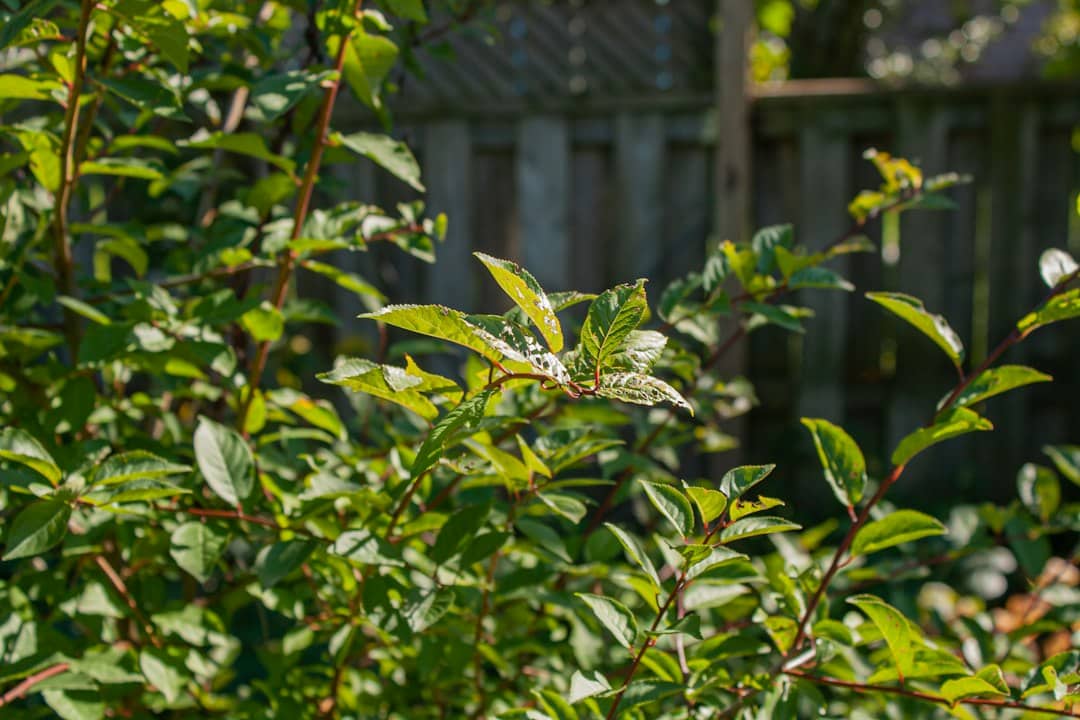
Cutting buckthorn to the ground can feel like a complete cleanup. The tangled stems are gone, sunlight reaches the yard again, and the property immediately looks more open. Then new shoots appear around the stump. In many cases, they grow faster and thicker than the stems that were removed.
This regrowth is normal for an established buckthorn plant. Cutting removes the visible portion, but it does not automatically kill the root system. Understanding what is happening below ground makes it easier to choose a removal plan that produces a lasting result.
The roots still contain stored energy
Buckthorn uses its roots to store energy. When the trunk or stems are cut, the plant redirects that energy into replacement growth. Several shoots may emerge from the stump or root crown, creating a wider and denser plant. A single cut can therefore turn one upright stem into a cluster of vigorous sprouts.
The larger and older the plant, the more established its root system is likely to be. Small seedlings may pull out cleanly when the ground is moist. Mature shrubs and tree-sized buckthorn are much harder to remove without cutting, digging, grinding, or another control method.
Seeds may already be waiting in the soil
Even when the original stump is controlled, new buckthorn seedlings can appear nearby. Birds eat the berries and spread the seeds across the yard. Seeds from previous seasons may also remain in the soil. That is why a cleared area can show new growth even when the first removal was handled carefully.
These seedlings are easiest to manage while they are small. A short inspection every few weeks during the growing season can prevent them from becoming another mature thicket. Pay particular attention to fence lines, wooded edges, and the ground beneath places where berry-producing plants once stood.
Repeated mowing is not always enough
Mowing can suppress very small seedlings in open lawn areas, but it is not a complete answer for established plants. Stumps near fences, trees, rocks, or garden beds may sit below the mower’s reach. Repeated sprouts can also become woody and difficult to cut with ordinary lawn equipment.
Hand cutting has a similar limitation. It improves the appearance temporarily, but the plant can continue drawing on its roots. A long-term plan must address both the top growth and the plant’s ability to resprout.
Match the method to the property
There is no single removal method for every yard. A few small plants may be pulled or dug. A long, overgrown property line may require mechanical cutting and debris removal. Large stumps may be ground, while some situations call for a carefully selected cut-stump treatment used according to its label.
Nearby desirable trees, drainage areas, pets, gardens, and access routes all affect the plan. Before clearing a mixed patch, identify which trees and shrubs should remain. This prevents accidental damage and helps determine whether compact equipment, hand work, or a larger cleanup is appropriate.
Replanting helps protect the cleared area
After removal, bare soil and new sunlight can invite more unwanted growth. Mulch, native shrubs, or another planned ground cover can occupy the space and make monitoring easier. Replacement planting should fit the light, soil moisture, and mature size available in the yard.
Tree Service of Troy provides brush and debris cleanup for overgrown properties in Troy, Oakland County, and surrounding communities. We can separate plants worth keeping, remove dense material, and explain what follow-up work the site may need.
For help with recurring buckthorn, call (855) 648-7337 or request a free written quote. A clear plan now can save years of cutting the same growth again.
Compare complete solutions, not just cutting prices
A low price for cutting stems may not include stump work, debris removal, or return visits. Before accepting an estimate, ask exactly what will remain when the crew leaves and how new growth should be handled. A complete quote should identify the removal area, the treatment of larger roots or stumps, the destination of brush, and any limits created by fences or access. Understanding the full scope helps homeowners compare equal services and reduces the chance of paying repeatedly to clear the same section of yard.