


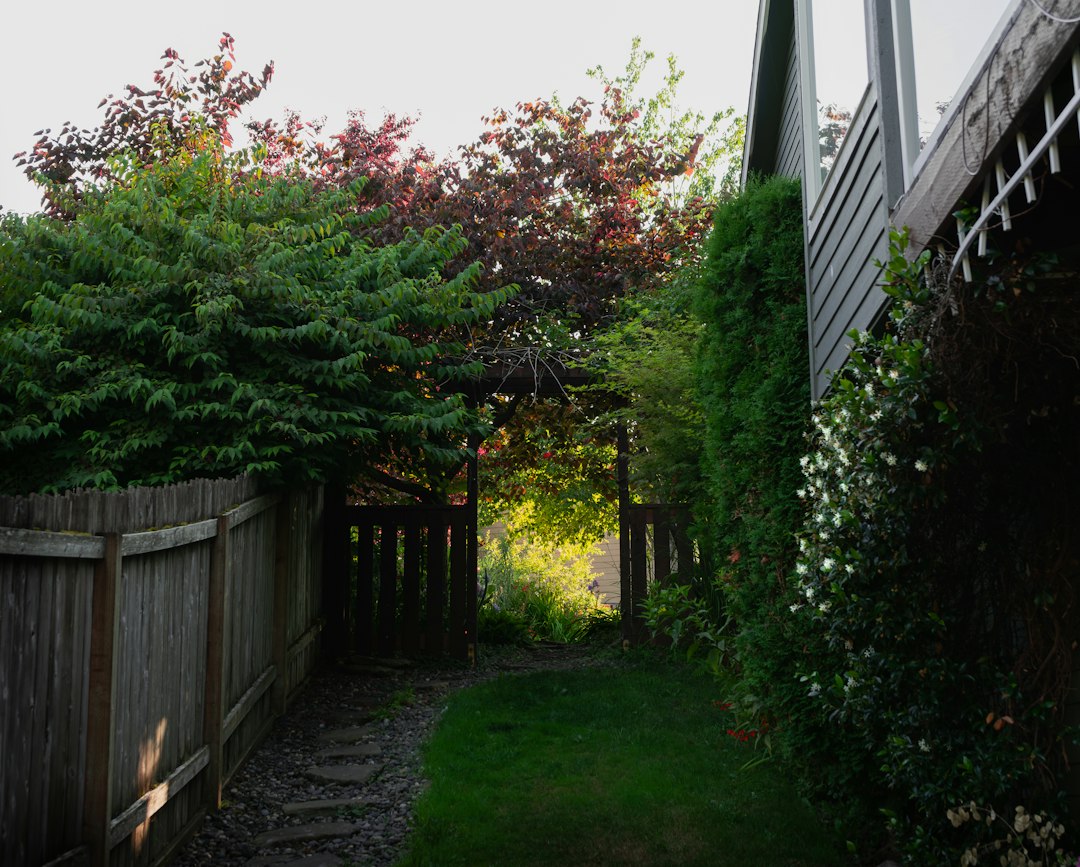
Buckthorn can turn the edge of an Oakland County backyard into a dense wall of stems surprisingly quickly. It grows beneath mature trees, crowds fences, spreads into garden beds, and produces berries that help new plants appear throughout the property. Removing it can restore usable space, improve visibility, and give desirable trees and native plants room to grow.
The challenge is that buckthorn is persistent. A quick cut may make the yard look better for a few weeks, but the root system can send up vigorous new shoots. A successful cleanup starts with identifying the plant correctly, choosing the right removal method, and planning for follow-up growth.
How to recognize buckthorn
Common buckthorn often grows as a tall shrub or small tree with several stems. Its leaves are oval, finely toothed, and remain green later into fall than many native plants. Mature stems usually have gray-brown bark, and the tips of some twigs end in a small thorn. Female plants may carry clusters of dark berries.
If you are unsure what is growing along your property line, have it identified before removing it. Not every dense shrub is invasive, and a professional evaluation can help protect valuable trees that may be mixed into the same area.
Why cutting buckthorn is only the first step
Small seedlings can sometimes be pulled when the soil is moist, provided the full root is removed. Larger plants usually require cutting near ground level. The remaining stump still contains stored energy, so untreated stumps frequently resprout. Repeated cutting can eventually weaken a plant, but it demands patience and regular maintenance.
For established patches, removal may involve cutting, grinding or extracting larger root crowns, and using an appropriate cut-stump treatment where allowed and suitable. Any treatment should follow the product label and local requirements. A tree care professional can recommend an approach based on the size of the patch, nearby plants, pets, drainage areas, and the homeowner’s goals.
Plan the work in manageable sections
A thick buckthorn patch can hide old wire, rocks, uneven ground, or desirable saplings. Clearing one section at a time makes it easier to separate brush, protect trees that should remain, and control the debris. It also prevents a large opening from being left without a plan for erosion control or replacement planting.
Once stems are removed, the material should be chipped, hauled away, or managed so berries and branches do not create another mess. Our brush, log, and debris cleanup service can help when the volume is more than a normal yard-waste pickup can handle.
Expect follow-up growth
Even careful removal may be followed by new seedlings from seeds already in the soil. Walk the cleared area several times during the next growing season and remove small plants before they establish deep roots. Mulch and suitable replacement plants can help reduce open soil where new buckthorn would otherwise gain a foothold.
For larger properties, a staged plan may be more practical than attempting everything at once. Priority areas often include fence lines, spaces beneath valued trees, and sections closest to patios, sheds, or play areas.
Get a clear plan for your property
Tree Service of Troy helps homeowners in Troy and throughout Oakland County clear unwanted buckthorn, brush, and small trees while protecting the parts of the landscape they want to keep. We can assess access, debris volume, nearby structures, and the equipment needed before work begins.
If buckthorn is taking over your backyard, request a free written quote or call (855) 648-7337. We will help you build a practical removal and cleanup plan for the space.
Build maintenance into the removal plan
Ask how the cleared area should be checked after the first growing season. A useful plan identifies likely resprouts, places where seedlings may emerge, and the easiest time to pull or cut them. It should also explain whether chips will remain, whether stumps will be ground, and what parts of the yard need replacement planting. These details make estimates easier to compare and prevent the visible cleanup from being mistaken for permanent control. Photograph the area before work begins so you can monitor progress and quickly identify any section that needs follow-up attention.