


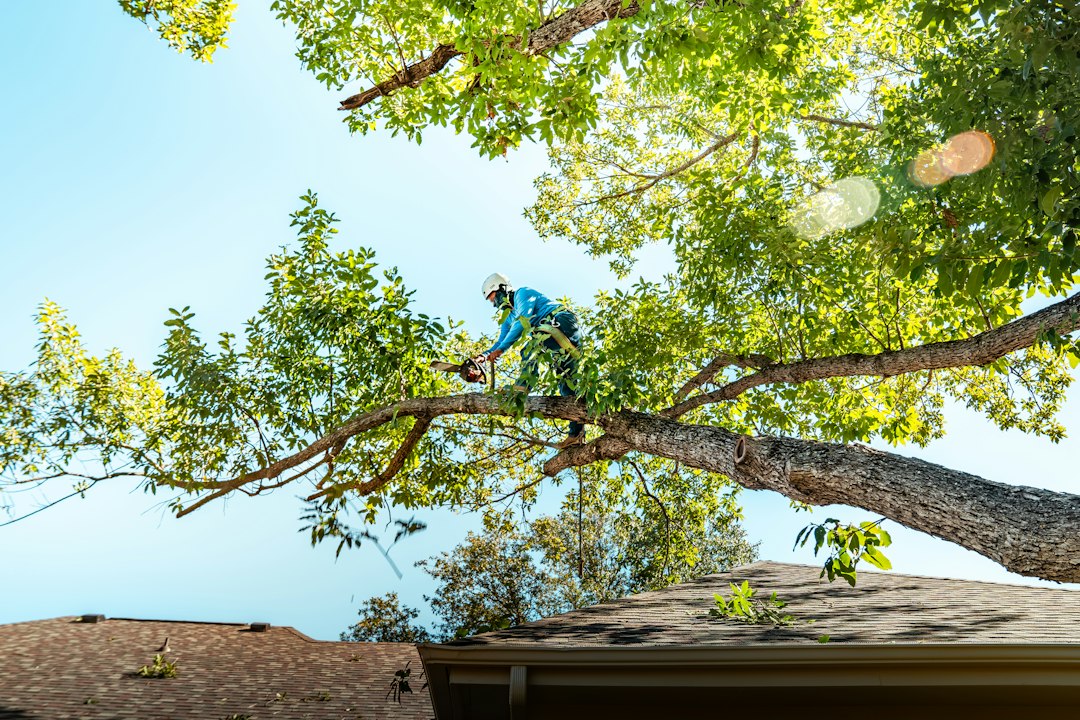
September often makes homeowners notice their trees in a new way. Leaves begin to thin, summer growth slows, and branches that hang over roofs, driveways, or walkways become easier to see. It is a useful time to inspect the canopy, but it is not automatically the right time to prune every tree.
Good pruning is based on the species, condition, branch size, and purpose of the cut. Removing a small broken limb is very different from reducing a mature canopy. Before winter, the priority should be correcting clear problems and planning larger work for the season that best supports the tree.
Start with dead, broken, or hanging branches
Dead wood can fail under wind, snow, or ice. Broken branches may remain caught in the canopy and fall later without warning. These defects deserve prompt attention, especially when they are above a driveway, sidewalk, patio, or part of the home.
From the ground, look for branches with missing bark, no leaves while nearby limbs remain full, visible cracks, or sections resting on other branches. Do not stand beneath a hanging limb or attempt overhead cutting with a ladder and chainsaw. Larger hazards should be evaluated and removed with professional equipment.
Clear routine conflicts before winter
Low limbs that interfere with normal use of the property may be good candidates for selective pruning. Examples include branches brushing the roof, touching siding, blocking a driveway, or reducing visibility near a sidewalk. The goal is to solve the conflict without stripping the tree or removing more live canopy than necessary.
A proper cut should be placed just outside the branch collar, not flush against the trunk and not several inches away. Poor cuts can leave large wounds or stubs that do not close efficiently. When the work involves major limbs, power lines, or a difficult drop zone, schedule a professional assessment.
Some pruning is better during dormancy
Late winter is often an excellent time for structural pruning because the tree is dormant and its branch framework is easy to see. Dormant pruning can help address crossing limbs, weak attachments, or crowded growth before spring begins. Species-specific timing still matters, so an arborist should consider the tree rather than relying on one calendar rule.
Oak trees require particular care in Michigan because fresh wounds can create an entry point for oak wilt. State guidance identifies April 15 through July 15 as the highest-risk period and recommends winter as the safest pruning season. In September, unnecessary oak pruning may still be postponed until cold weather, while storm damage or an immediate hazard should be handled with appropriate precautions.
Avoid topping and excessive thinning
Topping removes large portions of the crown and leaves stubs. It can trigger weak, fast-growing shoots while creating decay and sun exposure problems. Excessive thinning is also harmful because the tree loses too much leaf area and may become more vulnerable to stress.
Professional pruning should have a clear objective, such as removing a defect, improving clearance, or developing better structure. If a recommendation cannot explain what will be cut and why, ask for more detail before approving the work.
Use fall as an inspection season
Walk around each important tree and view it from several angles. Check the trunk base for cracks, cavities, fungal growth, or newly exposed roots. Look for branches close to roofs and utility lines. Note changes in leaf color or density compared with similar trees nearby. Photos taken now can help you track changes over time.
Tree Service of Troy provides professional tree trimming and pruning throughout Troy and Metro Detroit. We can identify urgent hazards, recommend the right timing, and build a scope of work that fits the tree and property.
To schedule a fall tree evaluation, call (855) 648-7337 or request a free written quote.
Ask for a defined pruning objective
A professional estimate should name the branches or canopy areas that need attention and state the reason for each type of cut. It may focus on deadwood, roof clearance, storm damage, or structural improvement. The estimate should also explain debris cleanup and any access limitations. Clear objectives protect the tree from unnecessary cutting and give the homeowner a practical way to confirm that the completed work matches the recommendation.