


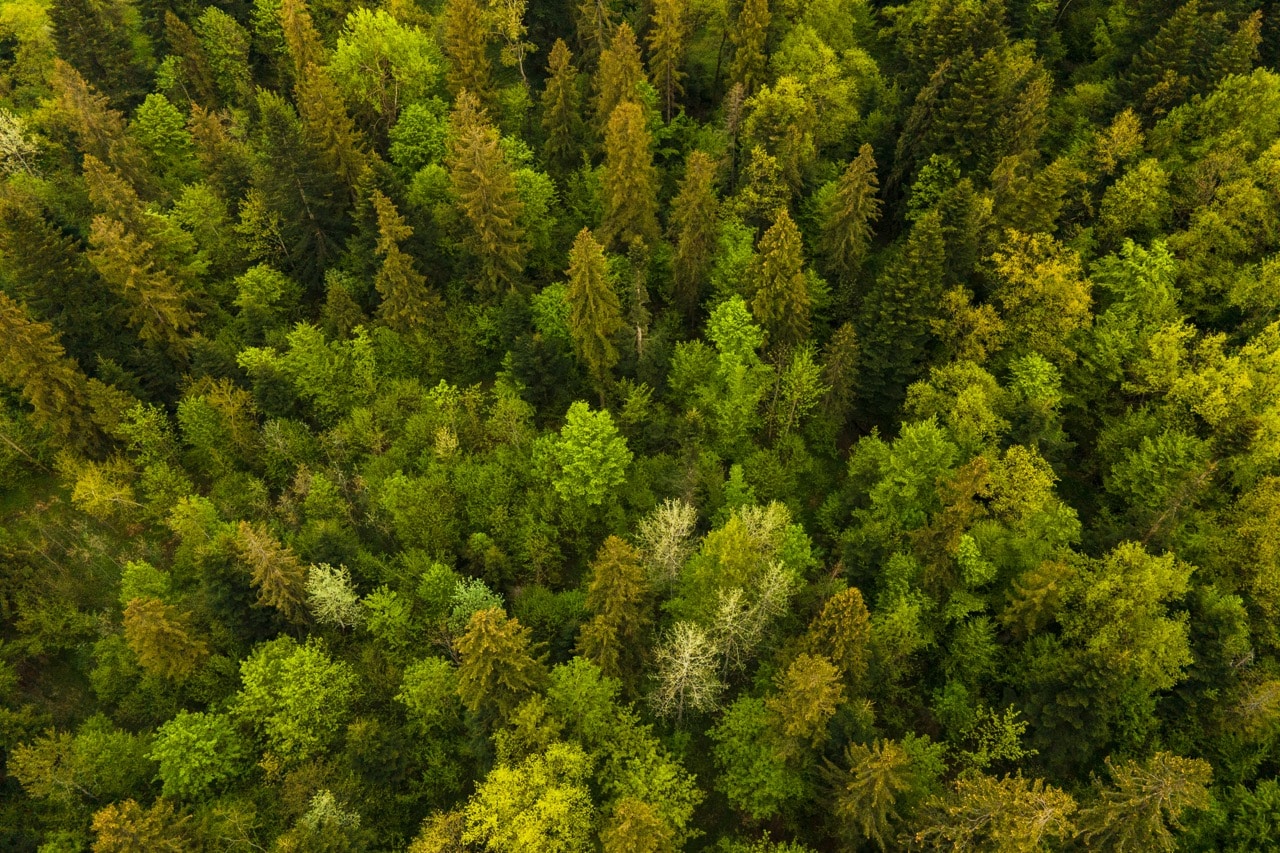
How Many Tree Species Are There in North America?
North America is home to an incredible variety of trees. From towering redwoods in California to colorful maple trees in the Northeast, the continent contains hundreds of native tree species that support ecosystems, wildlife, and landscapes across different climates.
Understanding tree diversity can help homeowners better appreciate the importance of proper tree care and maintenance.
How Many Tree Species Exist?
North America contains more than 1,000 native tree species across the United States, Canada, and Mexico. These trees vary widely in size, appearance, growth patterns, and environmental needs.
Some of the most recognizable North American tree species include:
- Oak trees
- Maple trees
- Pine trees
- Spruce trees
- Birch trees
- Elm trees
- Cedar trees
Each species plays a unique role in local ecosystems and landscapes.
Why Tree Diversity Matters
Tree diversity is important for environmental stability and long-term forest health. When too many trees of the same species exist in one area, diseases and pests can spread more quickly.
A diverse landscape helps:
- Reduce disease outbreaks
- Improve wildlife habitats
- Increase environmental resilience
- Support cleaner air and healthier soil
Healthy tree populations also improve curb appeal and property value in residential areas.
Common Trees Found in Michigan
Michigan landscapes contain a mix of hardwood and evergreen species. Some commonly found trees include:
- Sugar maple
- Red maple
- White pine
- Oak
- Spruce
- Elm
- Ash
Many homeowners also plant ornamental trees for seasonal color and landscape enhancement.
Threats Facing Tree Species
Tree species across North America face challenges from:
- Invasive insects
- Fungal diseases
- Severe storms
- Drought conditions
- Urban development
One well-known example is Dutch elm disease, which devastated elm populations across many regions.
Routine inspections and maintenance can help identify problems early and improve tree longevity.
The Importance of Proper Tree Care
Different tree species require different care strategies. Some trees need routine pruning, while others are more sensitive to soil conditions or storm damage.
Professional tree care helps:
- Improve structural stability
- Promote healthy growth
- Remove hazardous limbs
- Prevent disease spread
Regular maintenance also helps trees remain healthier during changing weather conditions.
Trees Add Long-Term Value
Healthy trees provide:
- Shade and cooling
- Improved curb appeal
- Increased property value
- Better air quality
- Wildlife support
Protecting tree health is an investment in your property and the surrounding environment.
If you want help maintaining the trees on your property, Tree Service of Troy offers professional trimming, inspections, removals, and maintenance services throughout the area.
Visit treeserviceoftroy.com to learn more.