


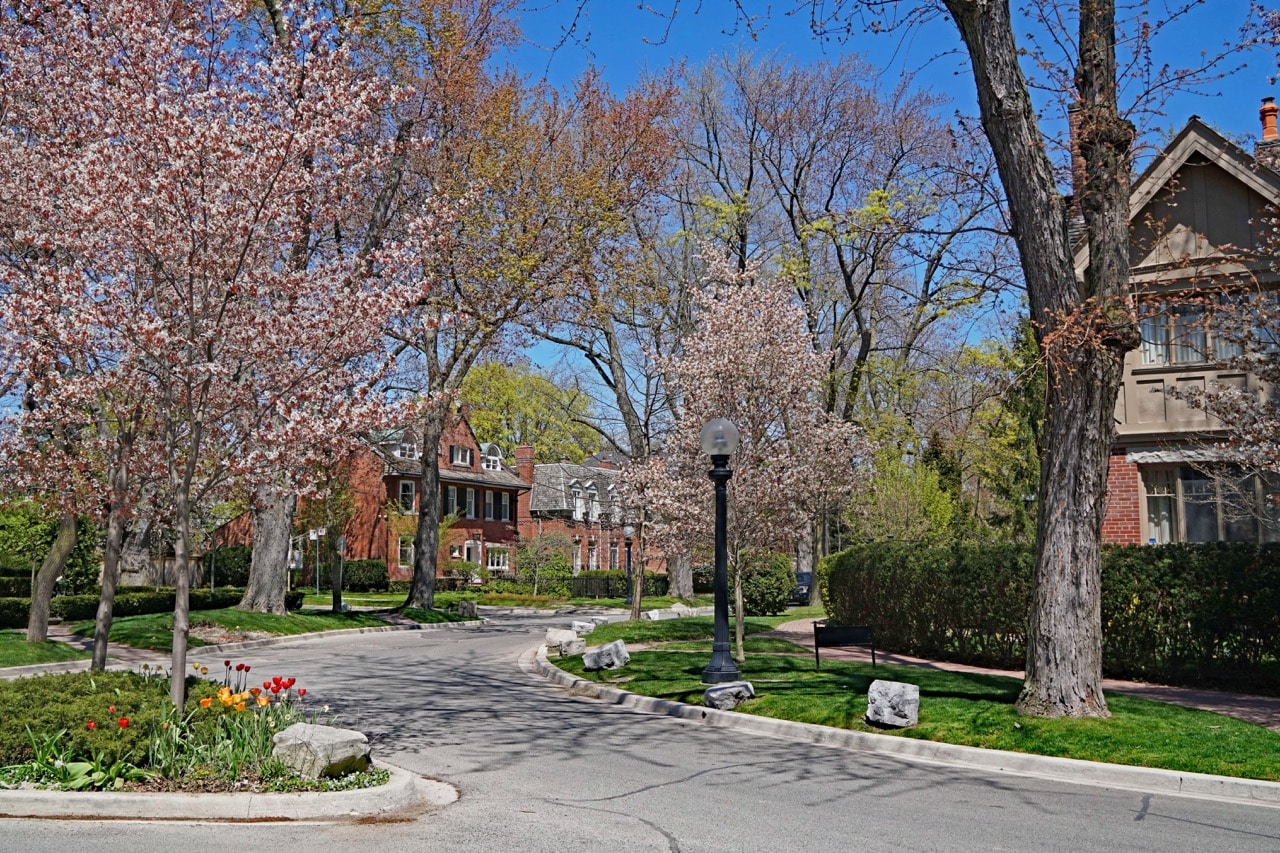
Mature trees add beauty, shade, value, and character to a property, but they also need thoughtful care. Unlike young trees, older trees often respond more slowly to stress and may show decline after years of soil compaction, storm exposure, root damage, or poor pruning. The good news is that many mature trees can improve with the right care plan.
Protecting older trees starts with understanding their needs and addressing problems before they become severe.
Start With a Professional Inspection
The first step in improving the health of a mature tree is understanding its current condition. Older trees may have hidden structural weaknesses, internal decay, canopy thinning, or root stress that are not obvious at first glance.
A professional inspection can help identify:
- deadwood
- canopy imbalance
- decay
- trunk defects
- root zone issues
- branch failure risk
This is one of the most important internal linking opportunities for your Tree Inspections and Assessments page.
Improve Soil and Root Conditions
Mature trees depend heavily on root health, but the root zone is often where the most stress occurs. Years of foot traffic, lawn competition, construction, and compacted soil can reduce oxygen and water movement.
Why the root zone matters
If roots are stressed, the canopy usually reflects it through thinning leaves, dieback, and slower growth.
Improving root conditions may involve reducing compaction, protecting the root flare, improving mulch practices, and adjusting watering patterns. Mature trees often benefit more from root support than from surface-level care alone.
Prune Carefully and Strategically
Pruning mature trees requires a careful approach. The goal is not to remove large amounts of growth at once. Instead, pruning should focus on safety, structure, and long-term health.
Strategic pruning may help by:
removing dead or damaged limbs
This reduces hazard risk and helps the tree direct energy more effectively.
improving canopy balance
Balanced weight distribution can reduce stress on large limbs.
increasing clearance
Branches too close to homes, driveways, or roofs may create safety concerns.
Over-pruning a mature tree can create stress, so this work should be done with long-term health in mind. Internally link here to your Tree Trimming and Pruning page.
Support Trees Through Stress Seasons
Older trees often struggle most during periods of drought, intense heat, repeated storm exposure, or after harsh winters. Seasonal stress can weaken defenses and make mature trees more vulnerable to pests and disease.
During high-stress periods, homeowners should watch for:
- early leaf drop
- smaller leaves
- dead branch tips
- bark cracking
- thinning canopy
- delayed spring growth
This is a good place to mention internal links to Storm Damage Cleanup or Emergency Tree Service if the tree has recently been impacted by weather.
Watch for Disease and Decline
Mature trees are more likely to experience decline slowly over time. The challenge is that homeowners often adjust to the change and do not notice how much health has been lost until the problem becomes serious.
Signs of decline may include:
- fewer leaves each season
- deadwood in the upper canopy
- fungal growth on trunk or roots
- cracks or cavities
- leaf discoloration or spotting
Early treatment may be possible in some cases, especially when a problem is caught before the tree becomes structurally unsafe.
Protect the Tree From Future Damage
One of the best ways to improve the health of mature trees is to reduce avoidable stress. This means protecting the tree from construction activity, repeated root disturbance, trunk injury from equipment, and aggressive grade changes around the base.
Even healthy older trees can decline quickly when their root systems are disturbed.
Long-Term Care Preserves Valuable Trees
Mature trees are not easily replaced. It can take decades to regain the shade, scale, and visual impact they bring to a property. That is why investing in proper care matters.
A good long-term plan often includes regular inspections, targeted pruning, root zone care, and monitoring for disease or structural issues. If a tree is too far gone to preserve safely, your Tree Removal page can serve as an internal next step. Otherwise, your Plant Health Care and Contact Us pages should guide readers toward evaluation and ongoing support.