


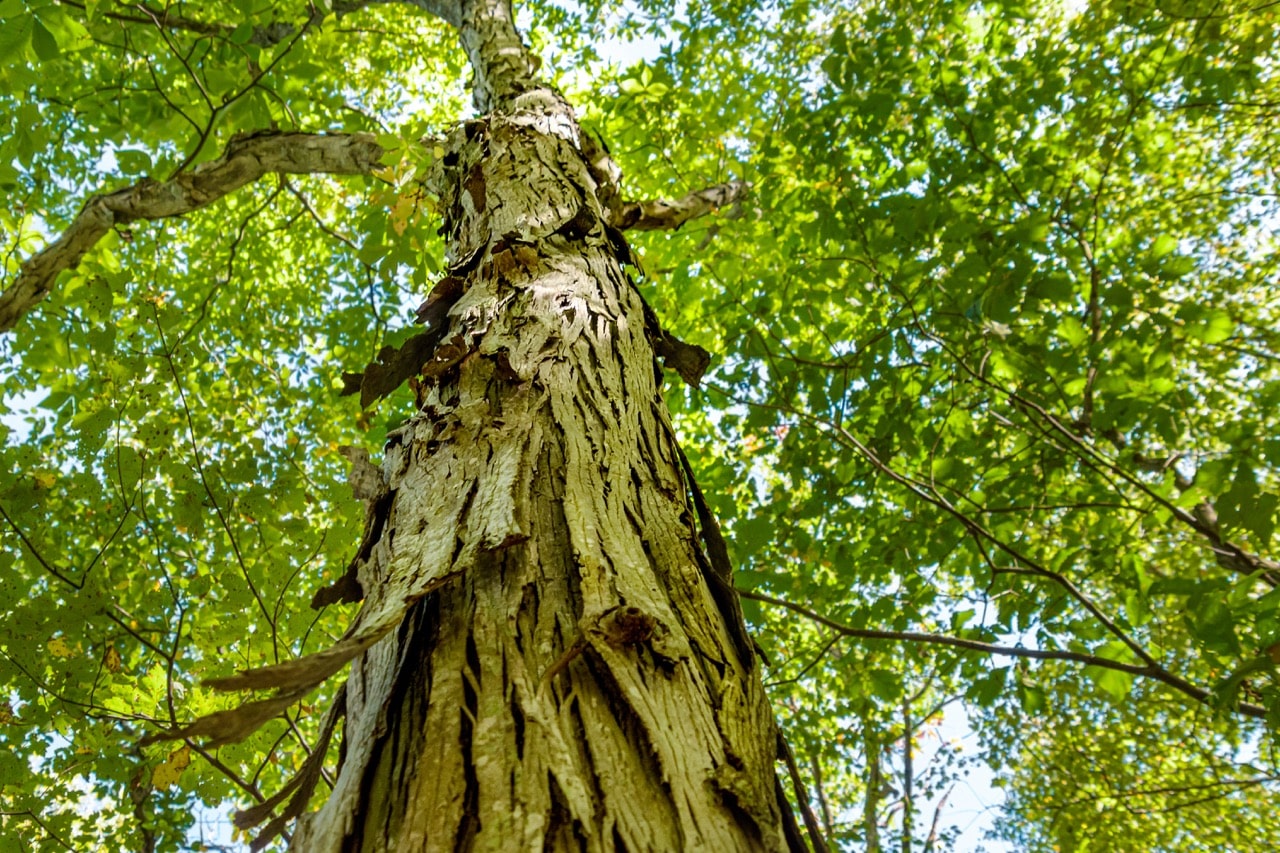
Mature trees do more than improve curb appeal. Their leaves provide shade, their roots interact with the soil, and their canopies intercept rainfall before it reaches the ground.
When a property loses a large amount of tree canopy, homeowners may notice changes in temperature, moisture, erosion, and drainage. Understanding these effects can help property owners make informed decisions about preservation, removal, and replacement planting.
Trees Provide Natural Shade
A mature canopy blocks and filters direct sunlight before it reaches roofs, pavement, patios, and lawns.
When a large tree is removed, previously shaded surfaces may receive full sun for much of the day. Asphalt, concrete, roofing, and exterior walls can absorb and release heat, making the surrounding area feel noticeably warmer.
Outdoor spaces may become less comfortable, and nearby plants may suddenly be exposed to conditions they were not selected to tolerate.
Canopy Loss Changes Indoor Comfort
Trees positioned near a home can shade windows, walls, and roof sections. Removing them may increase solar exposure during the summer.
The exact effect depends on the tree’s location, house orientation, canopy size, and surrounding landscape. However, homeowners sometimes notice warmer rooms or increased cooling demands after losing major shade.
This does not mean hazardous trees should remain in place. Safety must come first. It does mean replacement planning may be valuable after removal.
Leaves Intercept Rainfall
Tree canopies slow rainfall by catching water on leaves, branches, and bark. Some water evaporates, while the rest reaches the ground more gradually.
Without the canopy, rain may strike the soil and pavement directly. During heavy storms, this can increase the speed and volume of runoff moving across the property.
Mature trees cannot solve every drainage issue, but they are part of the larger system that influences how water moves through a landscape.
Roots Affect Soil Structure
Tree roots create channels in the soil and use moisture during the growing season. Their presence can influence infiltration, soil stability, and erosion.
After a tree is removed, the root system does not disappear immediately. Roots gradually decay over time, and the surrounding soil conditions may change.
If several trees are removed from a slope or poorly drained area, homeowners should monitor runoff patterns and soil movement.
Removal Can Expose Existing Drainage Problems
A tree may partially mask a drainage concern by absorbing moisture or shading an area that remains wet.
After removal, homeowners may notice:
- More standing water
- Faster runoff across lawns
- Erosion near slopes
- Water collecting beside pavement
- Increased splash near foundations
- Changes in plant health
These problems may also be related to grading, compacted soil, gutters, downspouts, or hard surfaces. A landscaping or drainage professional may be needed to identify the full cause.
Preserve Healthy Canopy Where Practical
Healthy mature trees provide benefits that take years to replace. Selective tree trimming can often manage clearance and structural concerns without removing the entire tree.
Professional care may help preserve shade while addressing dead limbs, roof conflicts, or unbalanced growth.
However, preservation should not override safety. Trees with severe decay, root failure, or dangerous structural defects may need removal.
Plan for Replacement After Removal
When a tree must be removed, homeowners can consider planting a replacement in a suitable location.
Choose a species based on:
- Mature height and spread
- Distance from the home
- Overhead utility clearance
- Soil drainage
- Available sunlight
- Root-zone space
- Local climate
- Long-term maintenance needs
The replacement should not be planted directly into a large volume of remaining stump and roots without proper site preparation.
Professional stump grinding can help clear the area, though another planting location may provide better growing conditions.
Avoid Removing More Trees Than Necessary
Large-scale clearing can rapidly change light, wind, moisture, and drainage conditions. Remaining trees may also experience greater wind exposure after nearby trees are removed.
Before removing multiple trees, consider how the changes may affect the entire property. A phased approach may be appropriate when safety and project requirements allow it.
Balance Safety With Long-Term Landscape Health
Tree canopy is a valuable property feature, but each tree must be evaluated individually. The goal is to preserve healthy, appropriately located trees while responsibly removing those that present serious hazards.
Tree Service of Troy provides assessments, trimming, removal, stump grinding, and lot clearing services throughout Troy and surrounding communities. Our team can help homeowners develop a practical plan that balances property safety, shade, drainage, and future landscape goals.