


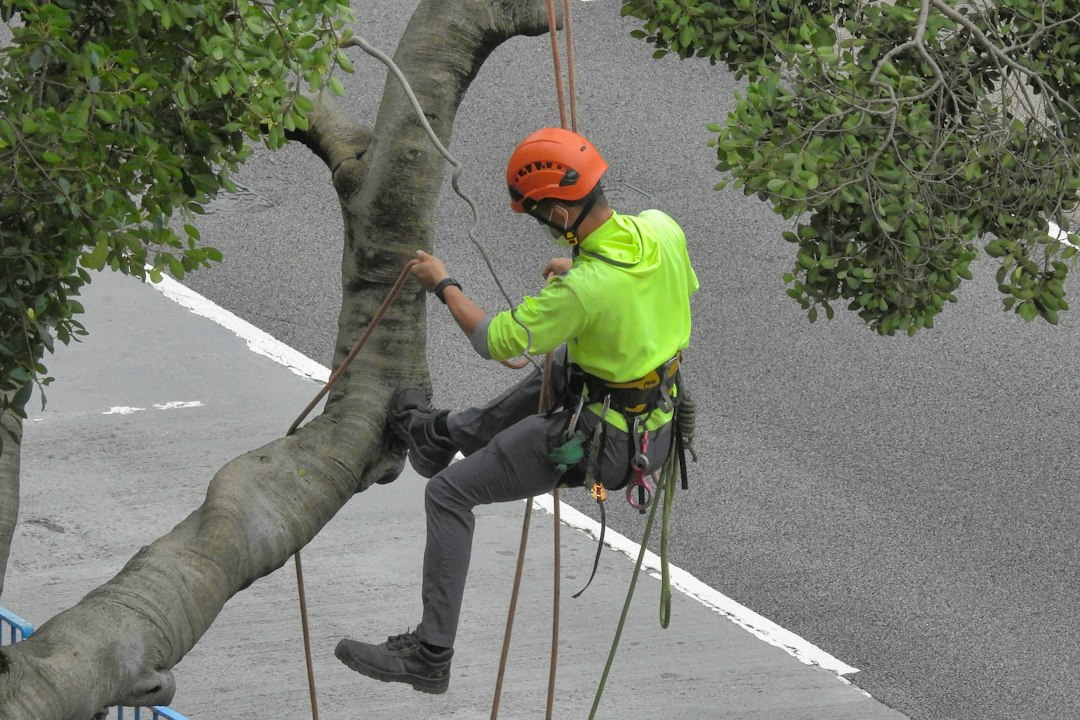
September feels like a natural time to prune. Summer growth is slowing, cooler weather is approaching, and problem branches may be easier to identify. For oak trees in Michigan, however, the best answer depends on whether the work is routine, necessary, or urgent.
Michigan’s oak wilt guidance identifies April 15 through July 15 as the highest-risk period for new infections. September is outside that window, but state experts continue to describe winter dormancy as the safest time for routine oak pruning. If a cut can wait, cold weather is usually the more cautious choice.
Why oak pruning timing matters
Oak wilt is a serious fungal disease. Sap-feeding beetles can carry spores from an infected oak to a fresh wound on a healthy tree. The disease can also move between nearby oaks through connected roots. Red oaks are especially vulnerable and may decline rapidly after infection.
A pruning cut is a wound. During periods when beetles and viable spores are active, unnecessary wounds increase risk. Weather varies from year to year, which is one reason a simple date on the calendar should not replace an informed assessment.
When September pruning may make sense
A dead, broken, or hanging branch over a home, road, driveway, or walkway may require prompt removal. Storm-damaged limbs can split further, and a cracked attachment may not remain stable until winter. Safety concerns should be assessed instead of delayed automatically.
Limited pruning may also be needed to restore essential clearance or prevent an already damaged limb from striking a structure. In these situations, the objective should be specific and the cuts kept to what is necessary. A professional can determine whether the issue is urgent and how to complete the work with the least avoidable impact.
When it is better to wait
Routine crown cleaning, structural pruning, and cosmetic shaping can often be scheduled for winter. Once leaves are down, the branch framework is easier to inspect. Dormant-season work also reduces the chance of fresh oak wounds attracting active beetles.
If the tree is healthy and the concern is simply that the canopy looks dense, waiting is usually reasonable. Mature oaks do not need aggressive annual pruning. Excessive thinning can remove valuable leaf area and expose branches that were previously shaded.
Watch for possible oak wilt symptoms
Oak wilt often causes leaves to brown or yellow from the edges and drop during summer. Symptoms may begin near the top of the tree and move downward. Affected red oaks can decline quickly. Similar symptoms can result from drought, root damage, or other problems, so visual signs alone do not confirm the disease.
If one oak declines suddenly and nearby oaks begin showing similar symptoms, avoid moving firewood off the property and seek a qualified evaluation. Michigan maintains reporting resources for suspected oak wilt, and laboratory diagnosis may be recommended.
Do not top an oak tree
Topping is not a substitute for proper pruning. Cutting large limbs back to random stubs creates major wounds and can produce weakly attached sprouts. The result may be a tree that is less attractive, more stressed, and harder to manage in the future.
Every proposed cut should serve a purpose, such as removing dead wood, improving structure, or creating necessary clearance. Our tree trimming and pruning service focuses on the condition of the tree and the needs of the property.
Get a species-specific recommendation
Tree Service of Troy serves homeowners across Troy, Oakland County, and Metro Detroit. We can inspect an oak, identify branches that require attention, and recommend whether the work should happen now or during winter dormancy.
Call (855) 648-7337 or request a free written quote before making major cuts to a mature oak.
Record the tree before and after pruning
Take wide photographs of the oak from several directions before work begins. Add close views of any cracked, dead, or rubbing branches. These images help the arborist understand changes and provide a useful reference for future inspections. After pruning, keep the work order with the photos and note the date. A simple maintenance record can reveal whether canopy decline is new, whether a defect is progressing, and when the tree may need another professional review.