


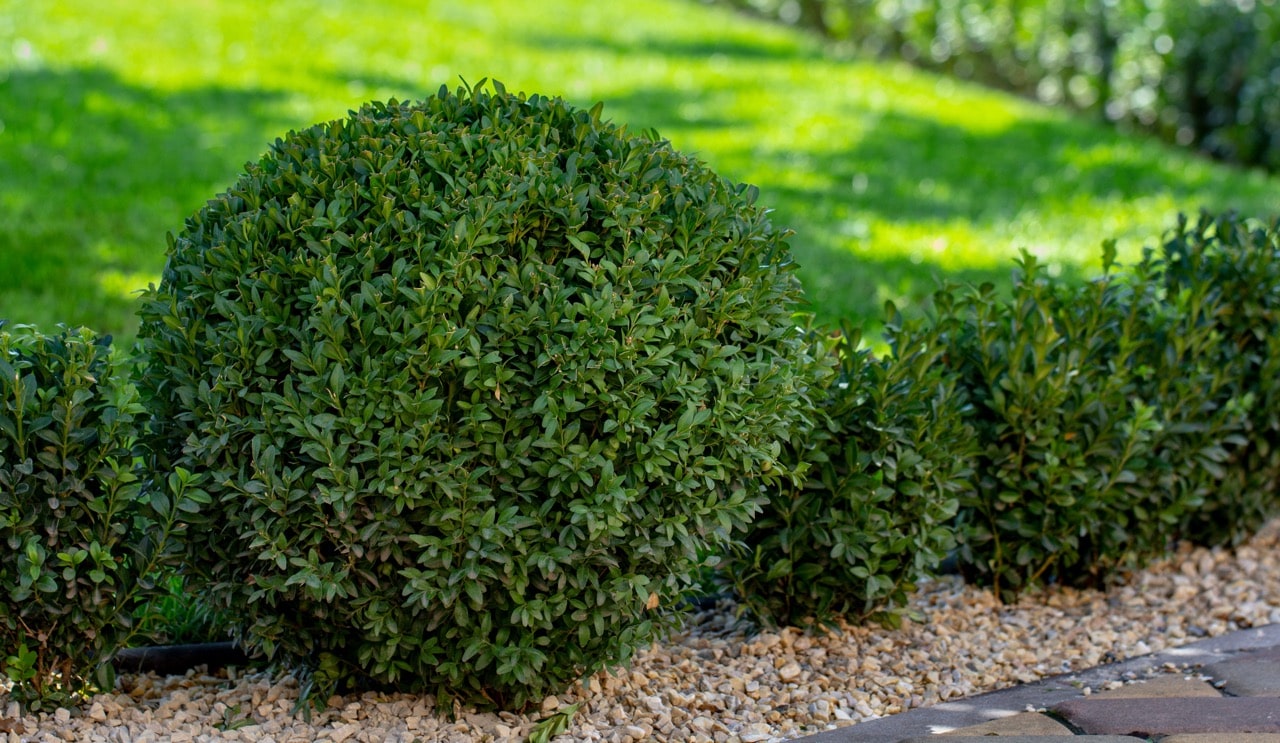
Too much water can be difficult to diagnose because the symptoms often resemble other landscape problems. A tree or shrub may look stressed, wilted, or yellow, and many homeowners assume it needs more water. In reality, the root system may already be overwhelmed.
Recognizing the signs of overwatering can help you respond the right way before health problems get worse.
One of the Biggest Warning Signs: Constantly Wet Soil
If the soil around a tree or shrub stays wet for long periods, that is often the first clue. Healthy soil should not remain soggy day after day. If water pools near the base, drainage may be poor or watering frequency may be too high.
You may notice:
- Muddy soil long after watering
- Water collecting in low spots
- Mushy mulch
- A sour smell in overly wet beds
These conditions can lead to root stress and invite disease.
Leaves May Turn Yellow or Drop Early
Yellow leaves are one of the most common signs of overwatering. Because roots are struggling, the plant cannot take up nutrients efficiently. This can lead to chlorosis, poor vigor, and premature leaf drop.
A shrub may look thin and patchy. A tree may begin losing leaves before the season normally changes.
Wilting Does Not Always Mean Dryness
This is one of the most confusing symptoms for homeowners. Overwatered plants may wilt because the roots are damaged and not functioning properly. That means the plant cannot move water through its system the way it should.
If leaves look droopy but the soil feels wet, extra watering is probably not the answer.
Growth May Slow Down
Trees and shrubs under root stress often stop performing the way they normally would. New growth may be smaller, weaker, or sparse. Color may look dull. The overall plant may seem like it is just not thriving.
This slower decline is easy to miss, especially in larger trees.
Fungal Issues May Start Showing Up
Excess moisture creates ideal conditions for certain fungal problems. Homeowners may notice mushrooms in mulch beds, dark spots on leaves, or cankers and dieback on stressed branches.
While fungi are not always caused by overwatering alone, too much moisture often contributes to the bigger problem.
Certain Areas of the Landscape Are More Vulnerable
Some parts of a property are more likely to suffer from overwatering than others. These include:
- Low spots in the yard
- Beds with poor drainage
- Heavy clay soil
- Areas near downspouts
- Landscapes with frequent sprinkler coverage
Trees and shrubs planted in these areas should be watched more carefully.
Why the Right Diagnosis Matters
Because overwatering symptoms overlap with other issues, it is important not to assume. Problems like root damage, disease, compaction, and nutrient deficiencies can all look similar at first.
A professional evaluation can help determine:
- Whether overwatering is the cause
- If drainage is the main issue
- Whether root decline has started
- What steps may help reduce further damage
This is a strong place for internal links to your Tree Inspections and Assessments, Tree Removal, and Contact Us pages, along with related blog posts on tree stress and plant healthcare.
Catching the Problem Early Helps
The sooner overwatering is identified, the better the chance of protecting root health and improving plant performance. Small changes to irrigation timing, drainage, or soil conditions can make a big difference before decline becomes severe.
If your trees or shrubs are yellowing, dropping leaves, or failing to thrive, it may be time to look below the surface and evaluate how much water they are really getting.