


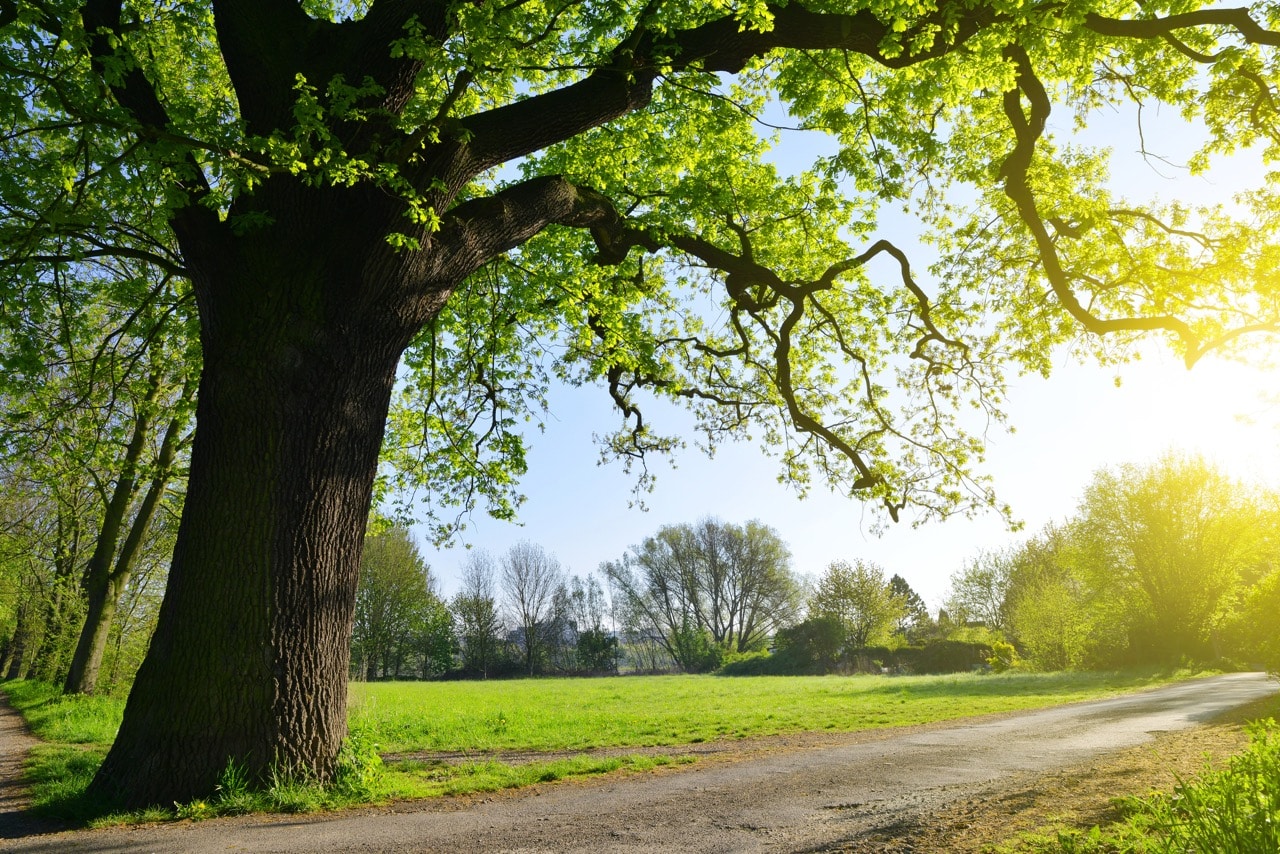
Trees provide much more than shade and curb appeal. Healthy, mature trees can significantly contribute to property value, environmental benefits, energy efficiency, and overall landscape appeal.
In some cases, trees may even require professional appraisals to determine their financial value. Tree appraisals are commonly used for insurance claims, property disputes, construction planning, storm damage evaluations, and landscape assessments.
What Is a Tree Appraisal?
A tree appraisal is a professional evaluation used to estimate the monetary value of a tree.
The process considers several factors, including tree size, species, condition, health, location, and contribution to the surrounding property.
Tree appraisals are often performed by qualified arborists or tree professionals with experience evaluating tree health and landscape impact.
Why Trees Have Value
Healthy trees provide both practical and financial benefits for homeowners.
Large trees improve curb appeal and may increase overall property value. They also provide shade, help reduce cooling costs, improve privacy, and contribute to healthier outdoor environments.
Well-maintained trees can make landscapes feel more established and visually appealing.
In commercial settings, mature trees may also enhance customer impressions and property appearance.
Situations Where Tree Appraisals Are Needed
Tree appraisals are commonly requested after storm damage or accidents involving trees.
For example, if a neighboring property damages a tree or if severe weather impacts valuable landscaping, an appraisal may help determine replacement or compensation value.
Appraisals may also be useful during construction planning to identify important trees worth protecting during projects.
Homeowners associations, municipalities, and insurance companies may also require professional tree evaluations in certain situations.
Factors That Affect Tree Value
Several factors influence how trees are valued.
Tree species plays a major role because some species are more desirable, longer lasting, or harder to replace.
Tree size and maturity also contribute significantly to value. Large, healthy trees that have taken decades to mature often carry higher appraised values.
Condition is equally important. Trees showing disease, decay, structural weakness, or poor maintenance may have reduced value.
Location matters as well. Trees positioned strategically for shade, privacy, landscaping balance, or curb appeal may contribute more value to a property.
Why Tree Maintenance Protects Value
Routine maintenance helps preserve tree health and long-term value.
Professional trimming, inspections, disease management, and proper root care all help reduce stress and improve structural stability.
Neglected trees may decline over time, creating safety concerns and reducing landscape quality.
By maintaining trees properly, homeowners help protect both the appearance and investment value of their property.
Professional Tree Evaluations
Professional tree care services can help homeowners better understand the condition, safety, and overall health of their trees.
Whether you need inspections, maintenance, removal, or property care recommendations, working with experienced professionals helps ensure your landscape remains safe and valuable year-round.
For more information about tree inspections and property maintenance services, visit Tree Service of Troy.