


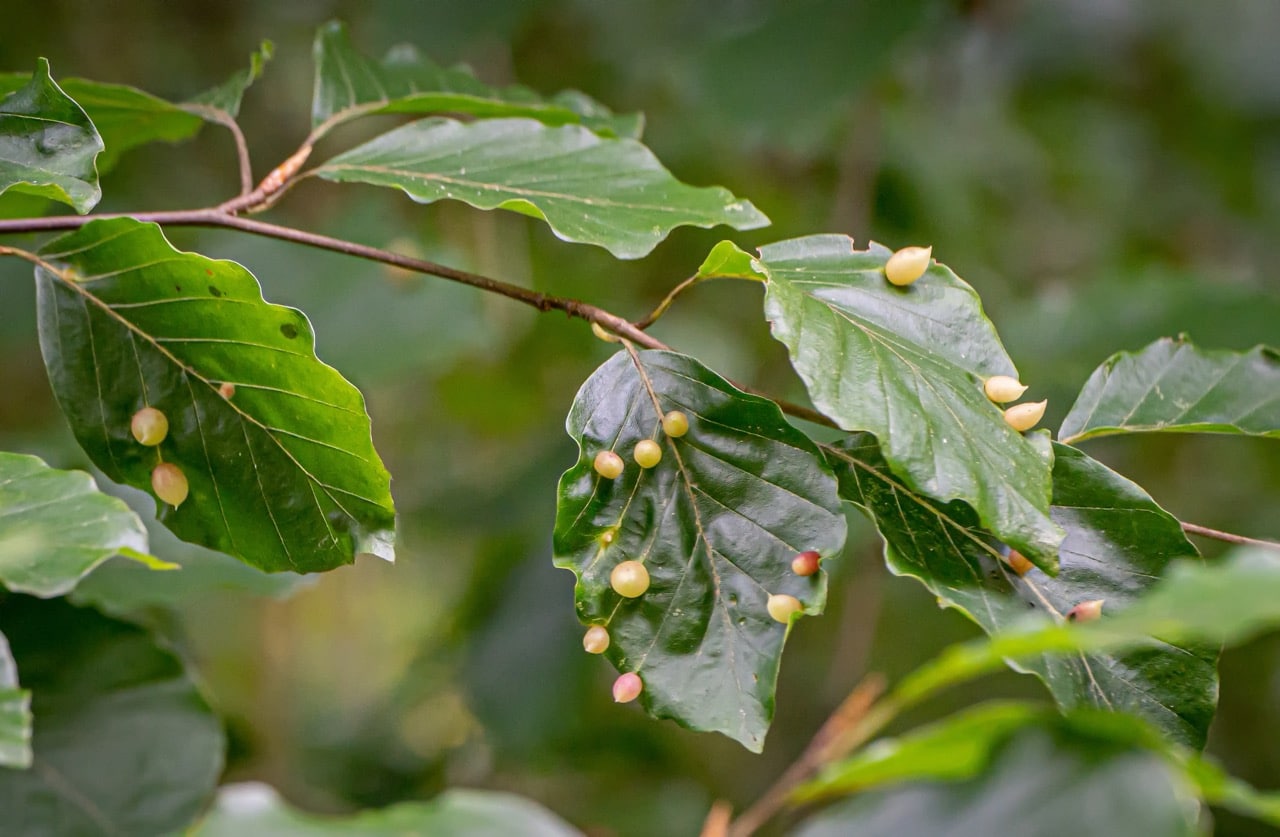
Spring is when trees begin producing new leaves, flowers, and fresh growth. It is also the time when many homeowners notice unusual bumps, growths, or swelling on leaves and branches. These abnormal growths are often called tree galls.
Although they may look alarming, tree galls are usually more cosmetic than dangerous. Understanding what causes them and when to be concerned can help homeowners protect their trees and landscapes.
What Are Tree Galls?
Tree galls are abnormal growths that develop on leaves, twigs, branches, or roots. They are commonly caused by insects, mites, fungi, bacteria, or environmental stress.
As insects feed or lay eggs on developing plant tissue, the tree reacts by producing extra growth around the affected area. This creates swollen or irregular shapes that can vary in size and color.
Some galls appear as small bumps on leaves, while others grow larger and more noticeable on branches or stems.
Why Tree Galls Appear in Spring
Spring growth is softer and more vulnerable, making it easier for insects and organisms to interact with developing leaves and stems.
As temperatures warm up, insect activity increases. Trees also begin pushing nutrients into new growth, which can trigger gall formation.
Because of this timing, homeowners often notice galls during the spring and early summer months.
Are Tree Galls Dangerous?
In many cases, tree galls are mostly cosmetic and do not seriously harm healthy trees. Small numbers of galls rarely require treatment.
However, severe infestations or repeated stress over multiple seasons can weaken trees and impact overall appearance. Younger trees or already stressed trees may struggle more with excessive gall activity.
If a tree begins losing leaves early, showing signs of decline, or developing widespread branch damage, a professional inspection may be necessary.
Common Types of Tree Galls
Different trees develop different types of galls.
Oak trees often develop round leaf galls or twig galls. Maple trees may develop bladder-like growths on leaves. Hackberry trees commonly experience nipple galls.
The appearance can vary greatly depending on the insect or organism involved.
Can Tree Galls Be Prevented?
Complete prevention is difficult because many gall-forming insects are naturally present in the environment.
However, maintaining healthy trees can reduce stress and improve resistance. Proper watering, trimming, mulching, and seasonal maintenance all contribute to stronger tree health.
Removing heavily affected branches may also help reduce future issues in some situations.
When to Call a Professional
If unusual growths appear suddenly or seem widespread throughout the tree canopy, professional tree care can help determine whether the issue is cosmetic or a sign of a larger problem.
Professional inspections can also identify additional concerns such as decay, disease, storm damage, or structural weakness.
For more information about maintaining healthy trees throughout the year, explore our tree maintenance and inspection services at Tree Service of Troy.