


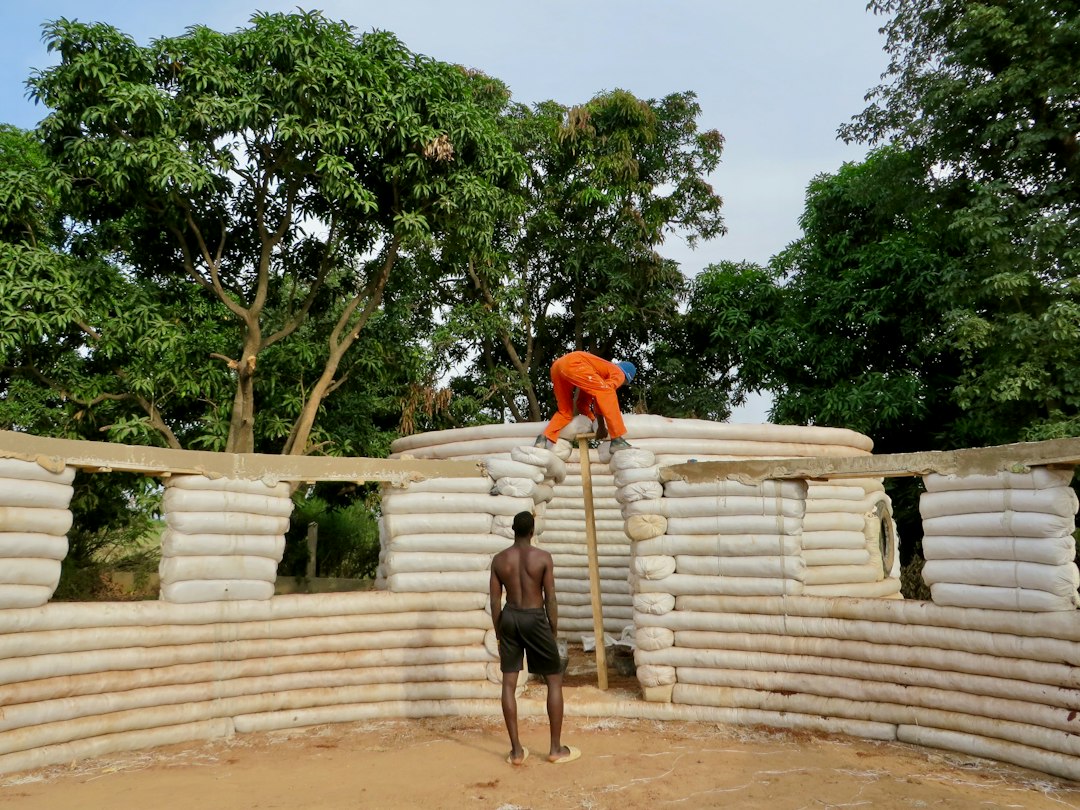
A new patio, fence, shed, or home addition can change how a yard works. Trees near the project may provide valuable shade and privacy, but they can also conflict with the footprint, access route, grading, or long-term maintenance. The best time to make tree decisions is before excavation and construction begin.
Early planning protects trees worth keeping and makes necessary removals easier. Once materials, forms, and equipment fill the yard, a tree that could have been removed efficiently may require more complicated rigging.
Begin with the final layout
Mark the exact project footprint rather than estimating from a sketch. Include footings, overhangs, gates, access paths, utility routes, drainage features, and the space contractors need to work. A trunk may sit outside the structure while major roots or branches still occupy the construction zone.
For fences, consider gate width and post locations. For sheds and additions, include excavation and roof clearance. Patios may require grade changes that affect root depth and drainage around nearby trees.
Evaluate trees that might remain
A healthy, well-placed tree can be designed into the project. An unhealthy or structurally weak tree may be more expensive to remove after the new feature is built. Have important trees assessed for visible defects, species, mature size, and likely construction impact before finalizing the layout.
Preservation requires space for roots, not just the trunk. Cutting several large roots on one side can stress the canopy and may reduce stability. Raising or lowering the soil grade around a tree can also damage roots by changing air and moisture conditions.
Remove necessary trees before access closes
A fence can block equipment access. A new patio can eliminate the drop zone. A shed can stand where logs once could have been lowered. If removal is already part of the plan, completing it first often reduces labor and protects new construction from avoidable damage.
Large trees near homes or neighboring property may need controlled sectioning, rigging, or crane service. The removal plan should account for overhead wires, driveway capacity, lawn protection, and debris handling.
Coordinate stump work with construction
Cutting a tree at ground level may not be enough when the area will hold a footing, slab, post, or utility. Tell the tree contractor exactly what will be built and where. Stump grinding, root removal, excavation, and backfill serve different purposes and may be handled by different trades.
A ground stump leaves chips and disturbed soil that are not structural fill. The builder should determine how the area must be prepared for the proposed improvement.
Plan where the wood will go
Decide whether logs will be hauled away, left as firewood, or moved to another part of the property. Brush may be chipped on site or removed. Confirm whether final raking is included and whether another contractor will handle finish grading.
A written scope prevents assumptions. It should identify the trees, stump work, debris plan, access limitations, and protection measures for the remaining landscape.
Bring the tree contractor in early
Tree Service of Troy provides tree removal, stump grinding, crane service, and cleanup throughout Troy and Oakland County. We can review the proposed project, explain the safest sequence, and provide a clear written quote before construction begins.
Call (855) 648-7337 or request a free written quote while the yard is still open and accessible.
Ask these questions before accepting a removal quote
Confirm which tree and stump are included, how branches and trunk sections will be controlled, and whether the crew needs driveway or neighboring access. Ask what happens to logs, chips, and final debris, plus whether lawn protection and raking are included. Give the contractor the builder’s schedule and the latest plan so the work is completed before fencing, deliveries, or excavation block the site. Finally, confirm what preparation the construction contractor expects after stump work. These details connect the removal to the larger project and help avoid a gap between a cleared surface and a build-ready area.