


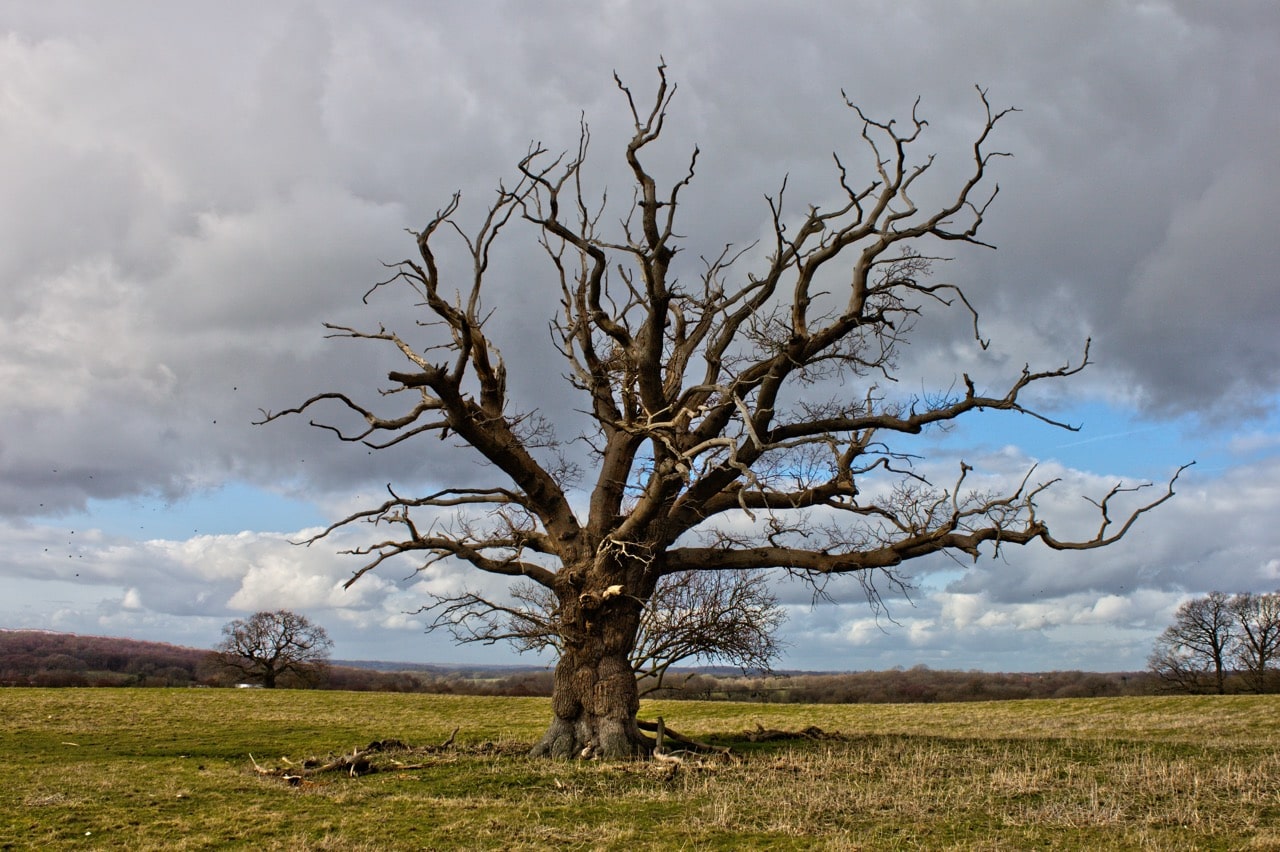
Shrubs are a major part of curb appeal, privacy, and landscape design, so it is frustrating when they begin thinning out, developing bare sections, or showing dead branches. While some decline happens gradually, other issues can appear suddenly after weather stress, poor pruning, or disease pressure.
If your shrubs are looking patchy, uneven, or lifeless, understanding the cause is the first step toward improving their health.
Light Problems Are a Common Cause
One of the most common reasons shrubs develop bare spots is lack of light. When dense outer growth blocks sunlight from reaching inner or lower branches, those shaded sections may weaken and eventually die back.
This is especially common in shrubs that have become overgrown or have not been properly thinned over time.
Signs light may be the issue
Bare interior branches, healthy outer foliage, and top-heavy growth often point to poor light penetration.
Strategic pruning can often improve airflow and light access. This is a strong place to add an internal link to your Shrub Trimming or Tree Trimming and Pruning page if relevant.
Poor Pruning Can Lead to Long-Term Thinning
Improper pruning is another major reason shrubs lose fullness. Repeated shearing without selective thinning can create dense outer growth while the interior weakens. Over time, the shrub may look green on the outside but empty inside.
Pruning at the wrong time of year can also remove flower buds, create stress, or leave the plant vulnerable to weather injury.
Healthy pruning should support structure, airflow, and long-term shape, not just surface appearance.
Winter Damage Can Kill Branches
Michigan winters can be hard on shrubs. Cold temperatures, drying winds, snow load, and road salt can all damage foliage and stems. Evergreens and broadleaf shrubs are especially vulnerable to winter burn and moisture loss.
Common signs of winter injury include:
- brown tips or edges
- dead outer branches
- uneven spring growth
- delayed leaf-out on one side
If the damage is widespread, the shrub may need more than just trimming. Soil support, watering changes, and monitoring may also be needed.
Pests and Disease May Be Involved
Bare spots and branch dieback can also result from insect activity or disease. Some pests feed on foliage, others bore into stems, and some weaken the plant by targeting roots or sap flow.
Disease can cause:
stem dieback
Sections of the shrub begin declining from the tip inward.
leaf spotting or yellowing
Foliage may discolor before dropping early.
cankers or bark damage
Diseased stems may crack, darken, or die completely.
A professional plant health care inspection can help determine whether the issue is environmental, cultural, or biological. This section can link to your Plant Health Care page.
Root Stress Is Often Overlooked
Sometimes the real problem is underground. Shrubs can decline because of poor drainage, compacted soil, root injury, or planting depth issues. If roots are struggling, the shrub may not get enough water or oxygen to support healthy top growth.
Signs of root stress can include:
- overall thinning
- slow growth
- wilting during warm weather
- scattered dieback
- poor recovery after pruning
If shrubs are planted in beds near construction zones, sidewalks, or heavily compacted soil, root problems should be considered.
Age and Overgrowth Can Reduce Vigor
Some shrubs simply become woody and less productive over time. Older shrubs may stop producing strong new growth and begin showing patchiness, especially in the center or lower sections.
In these cases, rejuvenation pruning may help, or replacement may be the better option depending on the species and condition.
This is a helpful place to internally link to your Landscape Cleanup, Plant Health Care, or Contact Us page.
How to Improve Shrub Health
The right solution depends on the cause. In many cases, shrubs improve with a combination of proper pruning, watering adjustments, soil care, and pest or disease management.
Homeowners should avoid guessing, especially if multiple shrubs are affected. Similar symptoms can come from very different causes.
Healthy Shrubs Start With Early Attention
Bare spots and dead branches rarely fix themselves. Small symptoms often become larger landscape problems when ignored. Early evaluation helps identify the cause before more branches decline or the shrub loses its shape entirely.
If your shrubs are thinning, dying back, or no longer looking healthy, professional plant health care can help determine the next best step and restore strength where possible.