


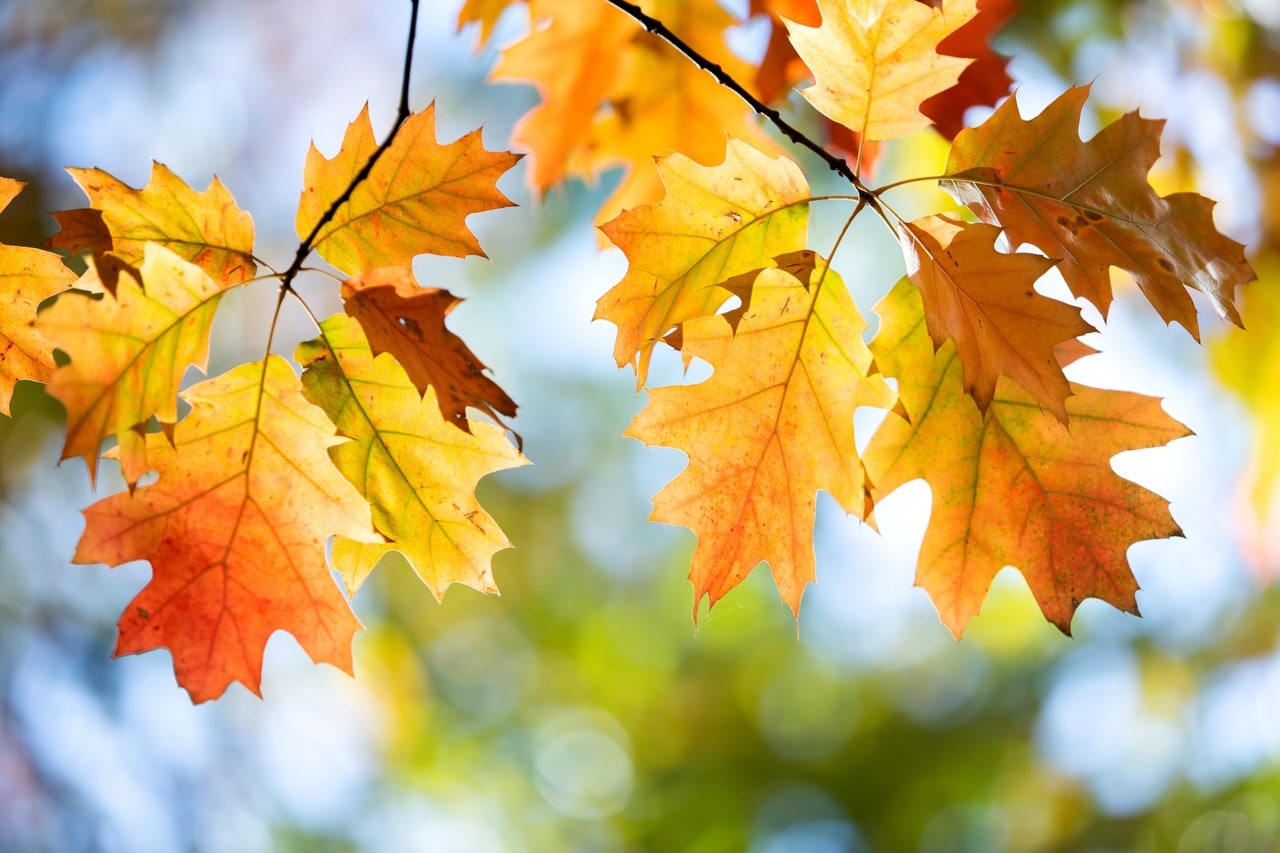
As summer begins winding down in Michigan, you may notice something interesting in your yard. One tree may still be completely green while another is already showing yellow, orange, or red leaves.
Does early color mean fall has arrived early? Not necessarily.
Trees change color at different times for many reasons, including species, genetics, temperature, sunlight, soil moisture, and overall health. In some cases, early color is completely normal. In others, it can be one of the first visible signs that a tree is under stress.
Understanding the difference can help Troy homeowners identify potential tree problems before they become more serious.
Different Tree Species Follow Different Schedules
The first factor is simply the type of tree.
Different species naturally begin their seasonal transition at different times. Some maples may start showing color while nearby oaks remain green for several more weeks. Even two trees growing in the same neighborhood can follow different schedules.
Genetics also matter. Individual trees of the same species may respond differently to decreasing daylight and changing temperatures.
Because of this natural variation, one tree changing color before another is not automatically a reason for concern.
Drought and Heat Can Cause Early Fall Color
When leaves begin changing unusually early, especially during late summer, environmental stress may be involved.
Hot and dry weather can make it difficult for trees to absorb enough water to support a full canopy. Trees sometimes respond by reducing the amount of foliage they must maintain.
Signs of drought stress can include:
- Curling or drooping leaves
- Brown leaf edges
- Premature leaf drop
- Yellowing foliage
- Early fall coloration
The Michigan Department of Natural Resources specifically identifies early fall color as one possible symptom of drought stress in deciduous trees.
Young trees can be especially vulnerable because their root systems have not yet expanded deeply into the surrounding soil.
Location Can Change When Leaves Turn
Microclimates around your property can also affect fall color.
A tree receiving intense afternoon sun may experience more heat and moisture stress than one growing in a cooler location. Trees close to pavement, driveways, buildings, or other surfaces that absorb heat can experience different conditions than trees growing in an open lawn.
Soil conditions also vary across a property.
One section of a yard might drain quickly while another retains moisture. Compacted soil near driveways, patios, or construction areas can restrict root development and water movement.
These differences can cause trees located only a short distance apart to behave very differently.
Early Color Can Sometimes Signal Tree Health Problems
If one section of a tree changes color while the rest remains green, take a closer look.
Uneven discoloration can sometimes be associated with:
- Root damage
- Branch injuries
- Insect activity
- Tree diseases
- Soil compaction
- Poor drainage
- Construction damage
- Declining branches
A tree that changes color significantly earlier than it has in previous years may also deserve attention.
Trees often show stress through their leaves before homeowners notice problems in the trunk or roots.
When Should You Be Concerned?
Early fall color is more concerning when it appears alongside additional symptoms.
Watch for dead branches, thinning canopy areas, bark damage, cracks, mushrooms near the trunk, large areas of leaf loss, or branches that fail to produce normal foliage.
It is also worth comparing the tree with previous seasons. If a mature tree that normally remains green until October begins turning yellow in August, there may be an environmental or health-related explanation.
Help Your Trees Finish Summer Strong
Late summer is a useful time to walk around your property and look closely at your trees.
Check the canopy from several angles. Look for unusual color, dead branches, thinning foliage, broken limbs, and areas where leaves appear different from the rest of the tree.
Trees that have experienced prolonged dry weather may also benefit from proper watering and mulch management.
Avoid piling mulch directly against the trunk. A properly placed mulch ring can help conserve soil moisture while protecting the root zone.
Schedule a Tree Assessment in Troy, Michigan
Early fall color does not always mean something is wrong, but significant changes in a tree’s normal appearance should not be ignored.
Tree Service of Troy can evaluate trees for visible signs of stress, damaged branches, structural concerns, and other conditions that may affect their long-term health or safety.
If something about your tree looks different this summer, call Tree Service of Troy at 855-648-7337 to request a free estimate and professional tree assessment.