


Tree care is important as severe weather can expose weaknesses in trees that appeared stable during calm conditions. Strong winds move through full canopies, heavy rain saturates the soil, and broken limbs can fall onto homes, vehicles, fences, and walkways.
For homeowners in Troy and surrounding Michigan communities, storm-resistant tree care is becoming an important part of property maintenance. The goal is not to make a tree completely storm-proof. No tree can be guaranteed to withstand every weather event. Instead, professional care focuses on reducing identifiable weaknesses and improving overall structure.
Storm Damage Often Begins With Existing Problems
A storm may appear to cause sudden damage, but the tree often had an underlying issue before the weather arrived.
Common weaknesses include:
- Dead or decaying branches
- Cracked branch unions
- Multiple competing trunks
- Root damage
- Internal cavities
- Heavy, unbalanced limbs
- Improper previous pruning
- Trees leaning toward structures
Wind, rain, and saturated soil can place additional pressure on these problem areas.
A professional inspection can identify visible warning signs and determine whether the tree needs trimming, monitoring, or removal.
Proper Trimming Can Improve Structure
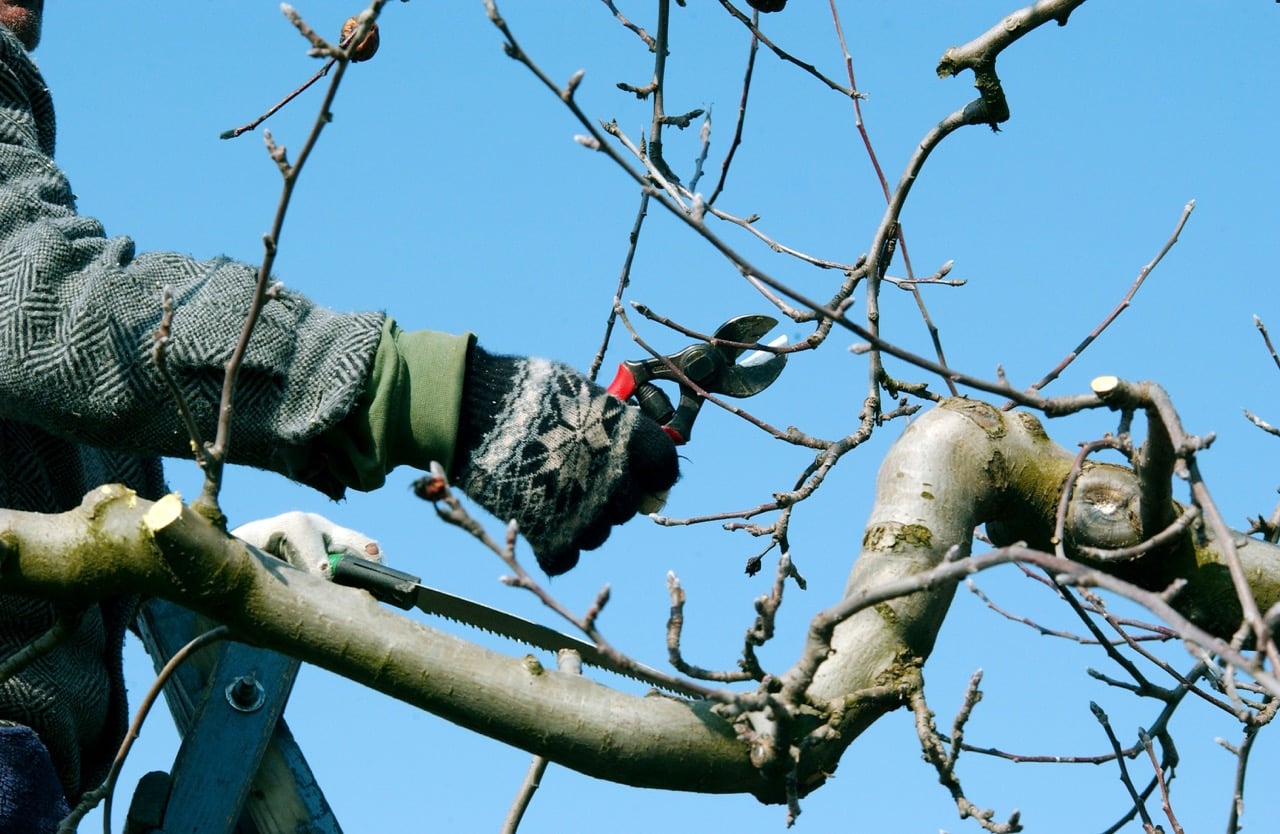
Professional tree trimming may help reduce storm-related risks by removing dead wood, addressing damaged branches, and improving canopy balance.
Selective trimming can also reduce the weight of overextended limbs and improve clearance around roofs, driveways, and outdoor spaces.
However, excessive thinning is not the answer. Removing too much interior foliage may leave branches exposed and can create stress. Topping trees can also lead to weak, fast-growing shoots that are poorly attached.
Storm-resistant care relies on careful cuts that work with the tree’s natural form.
Young Trees Benefit From Structural Pruning
Storm preparation should begin while trees are young. Early pruning can encourage one strong central leader and well-spaced branches.
Without guidance, some trees develop narrow branch unions, competing trunks, or crowded growth that becomes harder to correct as the tree matures.
Small corrective cuts made early are usually less stressful than removing large limbs later. Young-tree care can support a stronger structure for years to come.
Root Stability Matters During Heavy Rain
Storm resistance depends on more than branch strength. Saturated soil can reduce the support available to roots, especially when the root system has already been damaged.
Homeowners should watch for:
- Soil lifting near the trunk
- Newly exposed roots
- Cracks forming around the base
- A recent change in the tree’s lean
- Construction near the root zone
- Poor drainage or standing water
A tree showing root movement after a storm should be evaluated promptly.
Protecting the root zone from compaction, trenching, and unnecessary excavation can support better stability.
Trees Near Structures Need Extra Attention
The potential consequences of tree failure depend heavily on location. A damaged tree in an open field presents a different level of concern than one leaning toward a home, garage, road, or power line.
Branches extending over roofs can damage shingles and gutters. Trees near driveways may block access if they fall. Limbs near utility lines may create electrical hazards and outages.
Professional evaluations consider both the likelihood of failure and what could be affected.
When Removal Becomes the Safer Option
Some trees are too damaged or unstable to manage through pruning alone. Extensive trunk decay, severe root failure, major cracks, or a significant lean toward a structure may make removal the most responsible option.
Professional tree removal allows the tree to be dismantled in a controlled manner before severe weather forces an unpredictable failure.
Removing a hazardous tree before storm season may also reduce the complexity of the work compared with emergency removal after it lands on a structure.
Inspect Trees After Severe Weather
Storm-resistant care continues after the storm has passed. Broken branches may remain suspended in the canopy, and root movement may not be obvious immediately.
After severe weather, inspect trees from a safe distance and look for:
- Hanging limbs
- Fresh cracks
- Exposed wood
- New leaning
- Lifted roots
- Branches touching structures or wires
Never approach a tree or branch in contact with a utility line. Contact the utility first.
Build a Proactive Storm-Care Plan
Tree care is most effective when it happens before the forecast becomes urgent. Regular inspections and thoughtful maintenance can help reduce hazards while preserving healthy trees.
Tree Service of Troy provides trimming, hazardous tree removal, inspections, and storm damage cleanup throughout the area. A proactive plan can help prepare your property for Michigan’s changing weather.